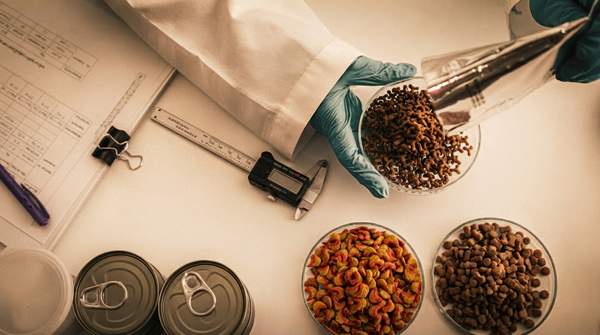
Ever stared at a bag of treats and wondered how you know it's actually safe? Here's the short answer: safety isn't a single test at the end. It's a chain of checkpoints—supplier audits, HACCP planning, metal detection, and final testing—layered under oversight from the FDA and, for labeling, AAFCO-backed model rules. Once you see the chain, you can spot a manufacturer that takes it seriously.
The Foundation of Pet Treat Safety: Regulatory Oversight
Two organizations dominate the label. The Food and Drug Administration regulates pet food in the United States under the Federal Food, Drug, and Cosmetic Act, which requires products to be safe to eat, produced under sanitary conditions, free of harmful substances, and truthfully labeled. The FDA's Center for Veterinary Medicine also inspects facilities and oversees recalls of unsafe products.
AAFCO—the Association of American Feed Control Officials—is different. It's a voluntary membership association that writes model regulations, including ingredient definitions and labeling rules, which states then adopt into their own laws. The FDA itself notes that many state labeling regulations are based on AAFCO's model. So: the FDA enforces; AAFCO provides the blueprint states borrow. Industry context matters too—the Pet Food Institute points out that pet food has been legally required to be safe under the FFDCA since 1938, and the Food Safety Modernization Act of 2011 brought the biggest overhaul of U.S. food safety regulation in over seventy years.
The Pet Treat Safety Journey: From Ingredients to Your Pet's Bowl
Here's the full pipeline, mapped stage by stage. Each step carries its own controls, and several are anchored to specific regulatory requirements.
| Stage | What the manufacturer does | Safety and quality controls |
|---|---|---|
| 1. Ingredient sourcing | Sets detailed standards for every ingredient—proteins, grains, vitamins, minerals—for purity and nutritional content, per the Pet Food Institute | Suppliers must meet strict criteria, follow Good Manufacturing Practices, and pass supplier audits |
| 2. Processing and production | Mixes, cooks, and forms the treat (extrusion for dry products; hermetically sealed cans, trays, or pouches for wet) | HACCP methodology applied at each critical control point; facility design such as stainless-steel equipment, handwashing stations, and defined walking patterns to limit contamination |
| 3. Foreign body prevention and detection | Keeps glass, wood, metal, and hard plastic out of the product | A formal foreign bodies control policy; written breakage procedures; metal detectors and X-ray inspection; avoidance or protection of glass and brittle material near machinery |
| 4. Packaging and labeling | Fills, seals, and labels packages | Checkweighers and X-ray fill-level checks verify package weight; labels must list product identity, net quantity, manufacturer or distributor, and ingredients by weight |
| 5. Final product testing and release | Tests finished product before it ships | Microbiological analysis—including Salmonella testing—against regulatory thresholds; labeling verified against FDA requirements and state rules based on AAFCO models |
Notice how the controls compound. A single Salmonella result at stage 5 only matters because of everything built in at stages 1 through 4. That's the whole design philosophy: catch the hazard where it's cheapest to catch.
Ingredient Sourcing and Receiving: The First Line of Defense
Quality assurance begins before anything is cooked. As the Pet Food Institute describes it, manufacturers set standards for every ingredient, and suppliers must meet strict criteria for purity and nutritional content. Compliance is confirmed through supplier audits and by requiring suppliers to follow Good Manufacturing Practices themselves.
Why does this matter so much? Because whatever walks in the loading dock door ends up in the bag. An industry safety guide from the European pet food association FEDIAF—used here as a model of widely applied manufacturing practice—adds that ingredient storage and facility design decisions, like protective floor and wall coatings and secured perimeters, start shaping safety at this same early point.
Processing and Production: Building Safety In
Once ingredients are in, the real engineering starts. The key concept is HACCP—Hazard Analysis and Critical Control Point. Under this methodology, a manufacturer identifies the specific risks at each point in production and manages them deliberately rather than hoping for the best. FEDIAF's safety guidance treats HACCP as the tool applied "at each critical point" to manage specific risks.
Facility design does quiet work here too: stainless-steel equipment, handwashing stations, and established walking patterns all reduce contamination pathways. For wet products, the packaging itself is part of the safety system—hermetically sealed, airtight containers. And the Costa Rican pet food industry survey published in the National Library of Medicine's database illustrates how seriously microbiological monitoring is treated in practice: its analysis of two pet food plants measured samples against regulatory thresholds for pathogens including Salmonella, using the sternest international limits as the conformity criterion.
Packaging, Labeling, and Final Release: The Last Checks
Near the end of the line, two things happen at once. Physically, the product passes through foreign body detection—metal detectors and X-ray systems that can also verify fill levels, while checkweighers confirm each package isn't over- or under-filled. FEDIAF's guidance goes further, requiring written procedures for glass, wood, metal, and hard plastic breakages, and avoiding brittle materials near production machinery altogether.
On paper, labeling gets verified. FDA regulations require proper product identification, a net quantity statement, the name and place of business of the manufacturer or distributor, and ingredients listed from most to least by weight. AAFCO notes that misbranding is unfair even to honest firms—which is why label verification is a genuine inspection step, not paperwork. Then comes final testing and release: microbiological results must clear regulatory thresholds before the treats ship.
Making Informed Choices: Signs of a Reputable Pet Treat Manufacturer
When purchasing pet treats, look for manufacturers that demonstrate transparency about their ingredient sourcing, adhere to Good Manufacturing Practices, implement HACCP systems, and comply with FDA and AAFCO guidelines. That's the decision in one sentence.
How do you actually see it from the pet store aisle? A reputable manufacturer will often communicate their commitment to safety through clear labeling, detailed information on their website about quality control processes, and responsiveness to consumer inquiries regarding ingredient origins and testing protocols. If a company can't tell you where ingredients come from or what testing happens before release, that's a data point.
One honest caveat: this system is layered but not magical. The FDA and state partners perform risk-based inspections, and recalls still happen—which is exactly why robust recall procedures and continuous improvement matter. Safety is a maintained state, not a certificate on a wall.
So here's your measurable checklist on your next purchase: read the label for complete FDA-required information, check the manufacturer's website for described quality control processes, and send them one question about ingredient sourcing and pathogen testing. A confident, specific answer—naming audits, HACCP, or testing protocols—is the best observable sign you've found a manufacturer doing the work.
Sources
- Pet Food — U.S. Food and Drug Administration
- Reading Labels - AAFCO
- A to Z of Pet Food: Quality Assurance - Pet Food Institute
- Europeanpetfood: HACCP methodology applied
- Pet Food Quality Assurance and Safety and Quality Assurance Survey within the… — PMC
- FEDIAF — Europeanpetfood