
Maillard Reaction
4 articles

How Computers Cracked the Recipe for 3-Methylindole: A Three-Step Recipe for Flavor Discovery
Food scientists employed a three-step computational and experimental workflow to precisely map the formation pathway of the aroma compound 3-methylindole during cooking. This transferable framework elucidates how volatile flavor compounds arise, distinct from AI models that predict taste.

How the Maillard Reaction Turns Green Coffee Into Flavor: A Stage-by-Stage Guide
The Maillard reaction, a heat-driven process between amino acids and sugars, is the core chemical transformation that develops hundreds of flavor compounds in coffee beans during roasting. Understanding its stages, temperature thresholds, and the influence of roasting variables like time and Rate of Rise allows for predictable control over the final cup's flavor profile.
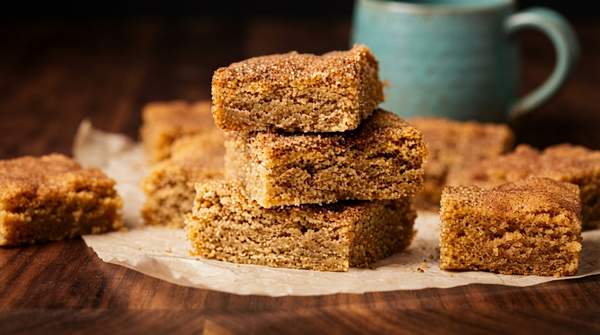
Unlock Flavor: Mastering the Maillard Reaction in Baked Snacks
The Maillard reaction is a fundamental chemical process responsible for the desirable browning and complex flavors in baked snacks. Understanding and manipulating factors like temperature, pH, and ingredient ratios allows bakers to master this reaction for superior taste and appearance.

Why the Same Reaction That Makes Snacks Delicious Also Creates Acrylamide
The Maillard reaction is responsible for the appealing flavors and golden-brown color in many snacks, but it also generates acrylamide, a compound classified as a probable human carcinogen. Understanding how cooking temperature, time, and food composition influence this dual-edged reaction is key to making informed snack choices that balance taste and safety.