
Fermentation
5 articles

Three Enzymes, Three Transformations: How Amylase, Protease, and Lipase Build the Flavors and Textures of Fermented Foods
Three key enzymes—amylase, protease, and lipase—are the biochemical workforce behind the distinct flavors and textures of fermented foods. Understanding their specific roles in breaking down starches, proteins, and fats is crucial to appreciating how foods like bread and cheese are transformed.
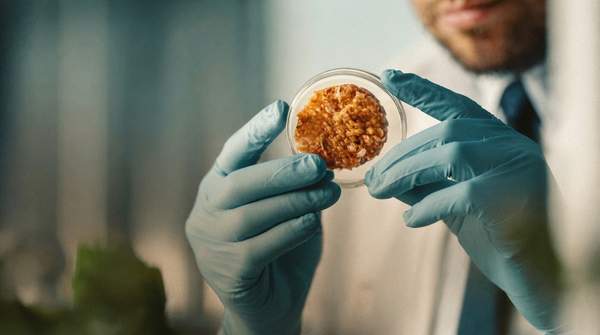
How Food Scientists Build Meat Flavor Into Plants: Two Pathways, One Goal
Food scientists employ two main strategies to imbue plant-based foods with meat-like flavor: direct ingredient formulation and bioprocessing through fermentation. These methods, often used in combination, aim to replicate the complex sensory experience of animal meat.

How Natural Flavors Are Made: Extraction, Fermentation, and the FDA's Definition
The FDA defines 'natural flavors' as derived from plant or animal sources and produced using common food processes like extraction and fermentation, clarifying that the label signifies origin and process, not simplicity or health.
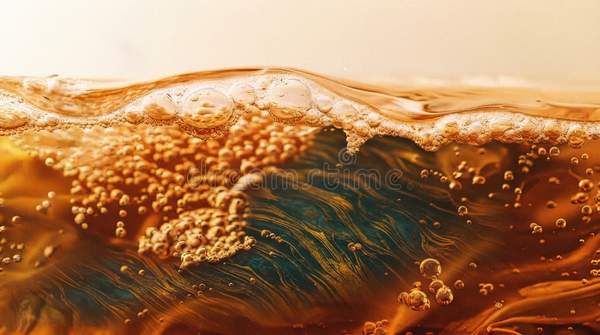
How Fermentation Works: The Science Behind Your Food's Flavor and Fizz
Fermentation is a microbial process where beneficial organisms consume sugars and starches in food, producing acids, alcohol, and gases that transform its flavor, texture, and preservation. Understanding the science behind these transformations helps in choosing between pasteurized commercial products and unpasteurized homemade ferments.

How Do Scientific Principles of Kombucha Fermentation Affect Tea?
Sales of kombucha are projected to reach 10.