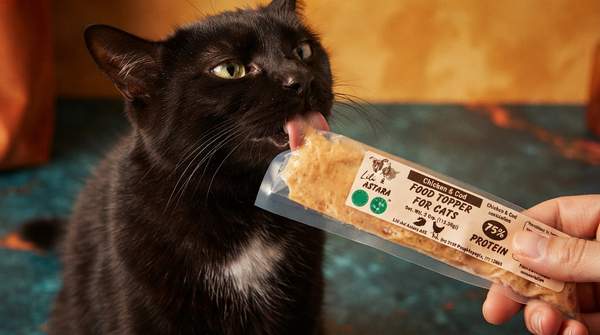
Lickable cat treats squeeze a lot of promise into a little tube — and the smartest way to shop for them is by function, not flavor. If your cat needs hydration support, urinary maintenance, digestive help, immune reinforcement, or a skin-and-coat boost, there is a category of squeeze-tube treat built around that goal. The catch: these products are supplements, not food. Under Association of American Feed Control Officials labeling conventions, treats carry the direction "for intermittent or supplemental feeding only" and lack a nutritional adequacy statement, so the tube you pick should be judged on moisture, protein quality, and one or two genuinely relevant functional ingredients.
The Rise of Functional Lickable Cat Treats
The squeeze-tube format took over cat households because it solves problems kibble never could. Beloved Pets, whose own creamy tubes sit in this category, notes that the appeal runs deeper than novelty: most cats prefer licking to chewing, the high moisture content helps cats who don't drink enough water, and portion control is built into the sachet. The brand frames the stakes in evolutionary terms — cats descend from desert animals with a naturally low thirst drive, which puts steady pressure on the kidneys and bladder.
That moisture story explains why urinary support became the flagship functional claim. Beloved Pets lists indoor cats, dry-food-only diets, seniors with declining kidney function, cats with a history of UTIs, crystals, or blockages, and male cats — more prone to urinary blockages — as the cats most likely to benefit from urinary-focused tubes.
The functional turn is not confined to one brand. Writing for Preventive Vet, Dr. Beth Turner catalogs treats by the body system they serve: gastrointestinal support, urinary support, and immune support for seniors or cats with FeLV/FIV. In other words, the treat aisle has quietly reorganized itself around health needs. But popularity also bred shortcuts. As pet blog ReNewedPet warned in 2024, when "almost every pet food company came out with their own version" of lickable treats, many on the market were "filled with ingredients that are not healthy for your cat." That is exactly why reading the label yourself matters.
Understanding Lickable Treat Labels: What to Look For
Ingredient lists on lickable treats are short, which works in your favor — there is less room to hide. A representative example from Cats.com's testing shows the typical architecture: "Water, Chicken, Tapioca Starch, Natural Flavors, Natural Crab Flavor, Guar Gum, Vitamin E Supplement, Taurine, Green Tea Extract." That single line contains every category you need to evaluate. Here is the reading order that matters:
- Confirm a named animal protein near the top. Chicken, tuna, or another whole prey protein should appear early, ideally right after water. Water first is normal and even desirable in a hydration product — the moisture is the feature.
- Identify the fillers. Tapioca starch, and the common grain fillers corn, wheat, and soy, add texture and calories without adding species-appropriate nutrition. ReNewedPet and Beloved Pets both point to fillers as the tell of a lower-quality tube.
- Decode "natural flavors." In an AAFCO-regulated product this is a flavoring designation, not a red flag in itself — but a long run of flavor agents ahead of real protein means the appeal is coming from flavor chemistry rather than food.
- Note the gums, but don't panic. Guar gum and similar thickeners create the lickable texture. They are processing aids, not nutrition, so they should sit low on the list rather than displace protein.
- Check the functional actives. Taurine, vitamin E, cranberry, glucosamine, or probiotics appearing late in a short list is the norm — functional doses are small, and their position does not signal they are decorative.
The additives to refuse outright are the cosmetic ones: artificial colors and flavors have no nutritional role for a cat, and both ReNewedPet and veterinary-informed guidance flag by-products and grain fillers as the ingredients to avoid. A quality tube, in short, reads like a very short recipe.
Decision Framework: Matching Lickable Treats to Your Cat's Health Needs
The table below condenses the veterinary and market guidance into a five-category decision aid. Find your cat's need in the first column, then use the ingredient cues when you read an actual label — because brands implement the same functional category with different formulas. Note one deliberate omission: skin-and-coat support appears as a marketed category (Beloved Pets' chicken mix with D-biotin), but the underlying ingredient evidence for coat claims is thinner than for the other rows, so treat it as a secondary pick rather than your starting point.
| Health Need | Primary Functional Goal | Key Ingredients to Look For | Label Quality Cues |
|---|---|---|---|
| General hydration support | Increase fluid intake, especially for low-thirst-drive cats and dry-food diets | High moisture content — water as the first ingredient; any high-moisture lickable formula qualifies | Named meat or fish protein immediately after water; minimal starch ahead of it |
| Urinary tract health | Support the urinary system and reduce stress around a condition-prone area | Cranberry (a commonly cited urinary-support ingredient); glucosamine, which Dr. Beth Turner of Preventive Vet notes benefits the bladder because its mucous lining is chemically similar to joint fluid | Short list with the functional actives present in meaningful company positions, not buried behind fillers |
| Digestive (GI) health | Aid digestion, stool quality, and nutrient absorption | Probiotics (found in most GI-support treats, per Preventive Vet) and fiber, which acts as a prebiotic and bulks stool | Easily digestible protein sources; absence of corn, wheat, and soy fillers that dilute the formula |
| Immune support | Reinforce defenses, especially for seniors, cats with cancer, or FeLV/FIV-positive cats | Lysine, antioxidants, and prebiotics — the ingredients Preventive Vet says immune-support treats typically contain | Whole-food protein base; vitamin or botanical actives (e.g., vitamin E, green tea extract) listed transparently |
| Skin and coat health | Support coat condition and skin (secondary category) | D-biotin, as marketed in Beloved Pets' chicken skin-and-coat mix | Same protein-first standard; treat coat claims as a bonus, not the deciding factor |
Two boundaries frame how you use this framework. First, none of this replaces a veterinarian — a cat with recurring crystals, constipation, or appetite loss needs a diagnosis before a treat aisle. Second, these evaluations are based on stated ingredients and functional claims, not independent lab testing, and palatability is famously individual: the perfect urinary-support tube is worthless if your cat sniffs it and walks away.
The format has genuine versatility beyond the five health categories, and it is worth knowing as a delivery system. Cats.com's tester found that at roughly $1.00 per tube, a highly palatable lickable can be "a highly palatable way to take medication," and hand-feeding from the tube builds trust — a bonding effect Beloved Pets also credits with lowering stress, itself a trigger for feline urinary issues.
Making an Informed Choice for Your Cat's Wellness
The practical decision is simple: select lickable cat treats by carefully reviewing the ingredient label and matching functional claims to your cat's specific health needs, prioritizing high-quality animal protein first and passing over artificial additives and grain fillers. Start from the symptom or risk — a dry-food indoor cat points you toward hydration and urinary formulas; a cat with sensitive digestion points you toward probiotics and fiber — then verify the label against that goal before the marketing on the front of the box convinces you.
The measurable indicator of success is straightforward: the cat owner consistently chooses treats that align with their cat's health requirements and observes improved hydration or targeted health support. If two weeks in, your cat licks the tube clean and you can name the functional ingredient you bought it for, the framework has done its job. If your cat needs the treat to do medical work — appetite encouragement for a sick cat, urinary maintenance for a blocked-tom survivor — run the label past your veterinarian, who can weigh the doses against your cat's actual condition.