
Dr. Lena Hanson
Editorial byline
Dr. Lena Hanson is an editorial byline for Snacks and Cravings, with a focus on The Science of Taste, Healthy Bites, Ingredient Breakdowns. Biographical credentials and external profiles are published only after verification.
Learn more about our editorial process and use of automation in our AI & Automation disclosure.
Coverage Areas
Latest Articles
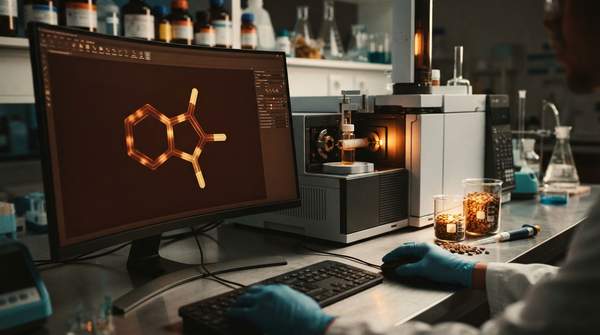
How Computers Cracked the Recipe for 3-Methylindole: A Three-Step Recipe for Flavor Discovery
Food scientists employed a three-step computational and experimental workflow to precisely map the formation pathway of the aroma compound 3-methylindole during cooking. This transferable framework elucidates how volatile flavor compounds arise, distinct from AI models that predict taste.
Nov 9, 2026 · 4 min read
Why Your Chip Tastes Better When It's Loud: The Science of Texture and Flavor
Texture significantly influences how we perceive flavor through physical breakdown, auditory cues, and psychological associations. Understanding these three mechanisms reveals how mouthfeel actively shapes our taste experience.
Nov 9, 2026 · 4 min read
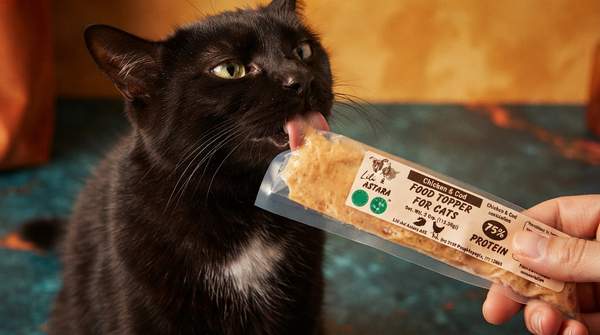
Five Ways Lickable Cat Treats Earn Their Keep: A Functional Benefit Buying Guide
Choosing functional lickable cat treats involves understanding their specific health benefits, such as hydration or urinary support, and critically evaluating ingredient labels to ensure quality and avoid unnecessary fillers.
Nov 8, 2026 · 5 min read
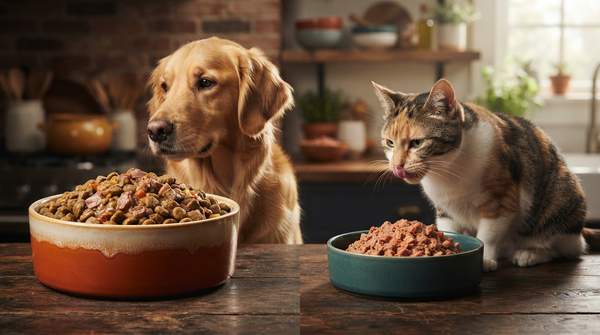
Dogs and Cats Don't Want the Same Bowl: The Science of Pet Food Palatability
Pet food palatability is engineered based on distinct sensory priorities: dogs rely heavily on smell, while cats are driven more by taste and texture, lacking sweet receptors. Understanding these species-specific drivers helps pet owners make informed choices about food engineering, rather than just relying on vague flavor claims.
Nov 8, 2026 · 5 min read
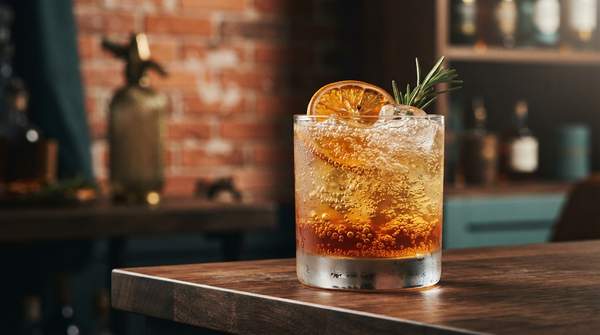
The Taste of Fizz: How Carbonation Chemically Rewrites a Drink's Flavor, Texture and Shelf Life
Carbonation is a complex sensory phenomenon where dissolved CO2 chemically transforms beverages, creating acidity, altering mouthfeel, enhancing aroma, and improving shelf life. It interacts with taste receptors and nerves to create a multi-faceted experience beyond simple bubbles.
Nov 7, 2026 · 5 min read
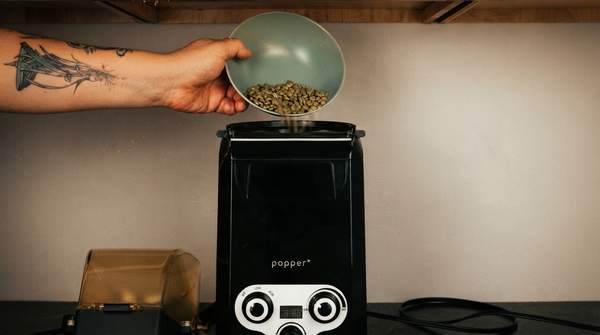
How the Maillard Reaction Turns Green Coffee Into Flavor: A Stage-by-Stage Guide
The Maillard reaction, a heat-driven process between amino acids and sugars, is the core chemical transformation that develops hundreds of flavor compounds in coffee beans during roasting. Understanding its stages, temperature thresholds, and the influence of roasting variables like time and Rate of Rise allows for predictable control over the final cup's flavor profile.
Nov 7, 2026 · 4 min read
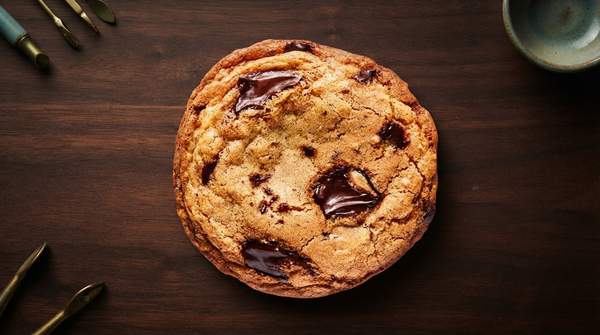
How Fat Chemistry Decides Your Baked Snack's Texture and Shelf Life
The chemical structure of fats, specifically the presence and number of double bonds in their fatty acid chains, dictates both the texture and shelf life of baked snacks. Understanding saturated, monounsaturated, and polyunsaturated fats allows bakers to make informed choices for optimal product quality.
Nov 6, 2026 · 4 min read
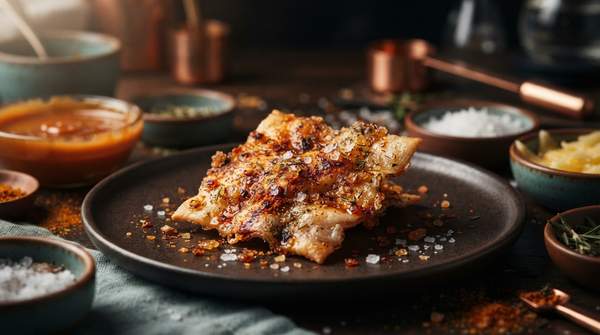
The Bliss Point: How Food Engineers Build Snacks That Override Your Fullness Signals
The bliss point is the precise combination of sugar, salt, and fat engineered by food companies to maximize appeal and override natural fullness signals. Understanding this engineering helps shift focus from willpower to the food's design, with prioritizing whole foods being a key counter-strategy.
Nov 6, 2026 · 4 min read
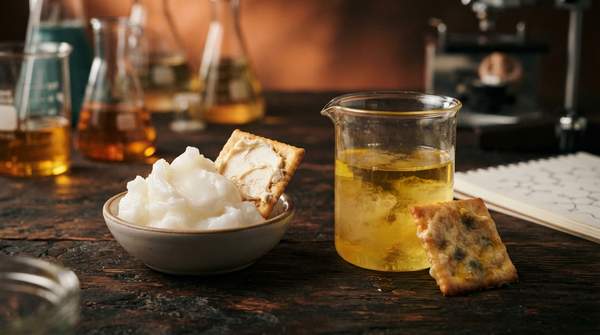
Why Solid Fats Make Creamy Snacks and Liquid Oils Go Rancid: The Chemistry Behind the Choice
The choice between solid fats and liquid oils in snacks hinges on chemistry: saturated fats offer creaminess and stability, while unsaturated fats' double bonds provide fluidity but lead to rancidity. Understanding this trade-off is crucial for snack texture and shelf life.
Nov 2, 2026 · 5 min read

How Menthol Fools Your Brain Into Feeling Cold — and Why Food Scientists Have Better Options
Menthol creates a sensation of cold by activating the TRPM8 receptor, tricking the brain into perceiving a temperature drop without any actual cooling. Food scientists can precisely engineer cooling sensations in products by selecting from a spectrum of synthetic TRPM8 agonists with varying potency and duration.
Nov 1, 2026 · 4 min read
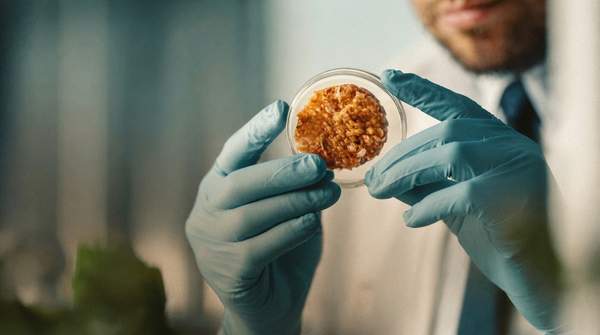
How Food Scientists Build Meat Flavor Into Plants: Two Pathways, One Goal
Food scientists employ two main strategies to imbue plant-based foods with meat-like flavor: direct ingredient formulation and bioprocessing through fermentation. These methods, often used in combination, aim to replicate the complex sensory experience of animal meat.
Nov 1, 2026 · 5 min read
Why Customized Drinks Taste Better: Control, Identity, and the Limits of Choice
Customized drinks appeal by satisfying psychological needs for personal control and self-expression, but excessive choices can lead to decision fatigue, requiring careful design to balance empowerment and overwhelm.
Oct 31, 2026 · 5 min read
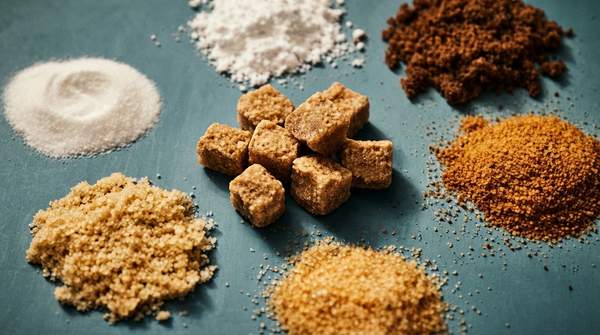
Why Allulose, Fructose, and Glucose Brown Faster Than Table Sugar—and How to Pick Your Sugar on Purpose
Understand how the chemical structure of sugars like allulose, fructose, glucose, and sucrose affects browning speed and moisture retention in baking. This guide helps you choose the right sugar for your desired cookie, cake, or bread texture and color.
Oct 28, 2026 · 6 min read
Xanthan, Konjac, or Carrageenan? Matching the Hydrocolloid to the Snack Problem
Snack formulators use hydrocolloids like xanthan gum, konjac, and carrageenan to manage water and solve common product defects, with each offering distinct benefits from reducing oil absorption to achieving firmness or controlling moisture.
Oct 27, 2026 · 4 min read
Why Chewing Gum Flavor Fades — and How Engineers Make It Last
Chewing gum flavor fades as sweeteners and flavor compounds dissolve in saliva, but engineers employ strategies to extend taste longevity. These methods involve controlling the gum base's properties and using encapsulation technology to release flavor in timed bursts.
Oct 27, 2026 · 4 min read
Why Dietitians Tell Daily Diet Soda Drinkers to Slow Down: The Science Behind the Caution
Dietitians advise caution on daily diet soda consumption, citing observational studies that link it to health issues and proposing biological mechanisms like insulin confusion and gut microbiome disruption. While causation isn't proven, the consistent associations warrant a closer look at your habits.
Oct 26, 2026 · 5 min read
Why Dogs and Cats Fall for Different Foods: The Science of Pet Treat Palatability
Pet food palatability is engineered by manufacturers, leveraging distinct sensory drivers like aroma, taste, and texture to appeal to the specific biology of dogs and cats. Understanding these species-specific preferences, from a dog's tolerance for fat to a cat's sensitivity to bitterness and texture, helps owners make informed choices.
Oct 26, 2026 · 4 min read
Adaptogens in Snacks: Which Ingredients Have Real Evidence, and How to Read the Label Like a Scientist
This guide helps consumers scientifically evaluate adaptogens in snacks, distinguishing ingredients with real evidence from marketing claims by examining label details and scientific backing.
Oct 25, 2026 · 5 min read
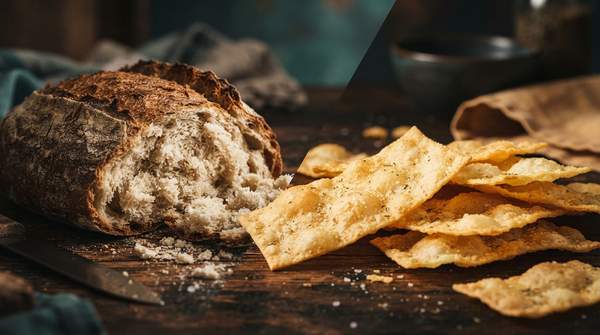
Why Bread Goes Stale but Crackers Stay Crisp: The Science of Starch Retrogradation
Starch retrogradation is the molecular process that makes bread stale and crackers crisp. This process involves starch molecules re-crystallizing after baking, with the final texture depending on the food's initial moisture content.
Oct 25, 2026 · 4 min read
Pairing Glutamates with Nucleotides: The Science-Backed Way to Make Plant-Based Snacks Actually Taste Savory
Unlock the secret to deeply savory plant-based snacks by pairing glutamate-rich ingredients with nucleotide-rich ones. This synergistic combination, known as umami synergy, multiplies flavor impact, creating a more satisfying and 'meaty' taste from plants.
Oct 24, 2026 · 4 min read