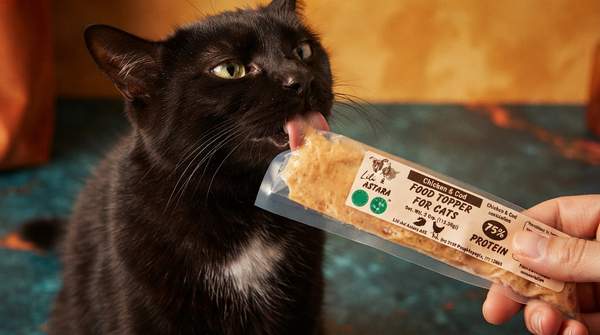
Ever flipped a cat treat bag over and spotted "yucca schidigera" on the label? You're looking at the engine of the odor-control treat trend. Here's the short version: these treats claim to fight litter box smell in two different ways. Some ingredients, like yucca extract, are said to bind odor compounds such as ammonia directly. Others, like probiotics, aim at your cat's gut health, hoping better digestion means less smelly waste in the first place.
One honest note before we dig in. This article explains the claimed mechanisms behind these ingredients, based on product marketing and market reporting. It's not scientific validation of whether they work, and it's no substitute for your vet's advice on digestive issues. Also, we're talking treats here, not litter or complete diets.
Understanding Odor-Control Cat Treats
Odor-control treats are functional treats with a bonus mission: fresher litter box, happier nose. And this category is booming.
IndexBox, a market research firm, projects the global odor-control cat treat market to grow steadily through 2035, with a compound annual growth rate of 5.8%. What started as a niche functional treat is becoming a mainstream premium benefit.
Why? Because cat owners like you are reading labels. You want to know what's actually in the treat and what it's supposed to do. That's exactly the question this article answers.
Market Trends Driving Demand
Two big forces are pushing these products into your local pet aisle.
First, pet humanization. IndexBox's analysis points to the accelerating humanization of pets, especially in urban and aging populations where cats are favored for being lower maintenance. Translation: your cat is family, and family deserves a fresh bathroom.
Second, digestive health awareness. IndexBox also flags rising consumer awareness of functional ingredients, specifically naming probiotics and yucca schidigera, plus premiumization, with owners seeking science-backed, clean-label products offering benefits beyond basic nutrition.
Multi-cat households are the biggest end-use segment, at an estimated 35% share, per IndexBox. More cats, more litter boxes, more motivation.
Yucca Extract: Targeting Ammonia
Yucca schidigera extract is the classic odor-control ingredient. Its claim? Binding ammonia and other odor-causing compounds in the digestive tract.
Nuzoko, a pet food maker whose product article walks through odor-reducing formulas, lists yucca extract (sold under the DeOdorase brand name) as reducing ammonia odors by 30 to 50%. That's a product-level claim, mind you, not an independent lab result.
But here's a fun skeptic's note. The pet nutrition site Bark & Whiskers, citing a 2014 pet food industry journal, raises an eyebrow at the whole category, suggesting odor-control formulas may serve human desires more than animal needs.
Fair point. The odor is, after all, mostly a human problem. Your cat has never once complained.
Probiotics: Supporting Gut Health for Odor Reduction
Probiotics take the opposite approach. Instead of grabbing odor compounds on their way out, they aim upstream at the gut itself.
The claimed mechanism: beneficial bacteria balance the intestinal flora, improving digestion and stool quality. Better digestion, the logic goes, means fewer odor-causing metabolites and less smell overall.
There's real science behind probiotics and gut health generally. A review published through the National Library of Medicine systematically examines the relationship between probiotics and intestinal health in dogs and cats, covering conditions like enteritis, diarrhea, and inflammatory bowel disease, and exploring the probable working mechanisms.
But notice the gap. That research supports probiotics for gut health. The leap to measurably less fecal odor is where product marketing takes over.
Sea Cucumber Egg Extract: Improving Stool Quality
Now for the wildcard. Sea cucumber egg extract appears in Nuzoko's odor-reducing recipe, where the company credits it with improving stool quality and lowering strong poop smells.
The mechanism? Not detailed. The claim is essentially: better-formed stools, less stink. If your cat has a sensitive stomach, Nuzoko suggests you'd also notice fewer tummy troubles.
It's an honest example of how some ingredient claims work: an observed or intended outcome, without a spelled-out chemical pathway. That's worth knowing when you compare labels.
Comparing Odor-Control Treat Ingredients
Here's your label-decoder table. Notice the key split: yucca claims to bind existing odor compounds, while probiotics and sea cucumber egg extract claim to improve digestion so less odor gets produced at the source.
| Ingredient | Claimed Mechanism of Action | Odor Target |
|---|---|---|
| Yucca schidigera extract | Claims to bind ammonia and other odor-causing compounds in the digestive tract; one maker cites a 30–50% ammonia odor reduction | Ammonia and related strong fecal odors, aiming to reduce litter box intensity |
| Probiotics | Claims to balance intestinal flora, improving gut health and stool quality | Overall fecal odor, as a secondary benefit of better digestion and stool consistency |
| Sea cucumber egg extract | Claims to improve stool quality; specific compounds not detailed | Strong fecal smells, via better stool quality |
So when you read a label, ask one question: is this ingredient a binder or a gut-helper? That single distinction tells you what kind of benefit the product is promising.
Making an Informed Choice for Odor Control
Here's my decision framework. Choose odor-control cat treats based on the specific claimed mechanism that matches your goal. See yucca on the label? That product is betting on ammonia binding. See probiotics? It's betting on digestive health, with odor reduction as the hoped-for side effect.
Keep expectations realistic. These are claimed mechanisms from product marketing and general ingredient science, not independently validated results. And IndexBox itself notes consumer skepticism about efficacy in this category, which is why education and scientific validation matter.
How do you know if your pick is working? Watch for a noticeable reduction in the intensity or frequency of litter box or fecal odors after consistent use of the chosen treat. Nuzoko's guidance echoes this: continuous use brings the best results, with less odor appearing over time.
One last thing. If your cat's digestive issues or odor problems are persistent or new, skip the treat aisle and call your vet first. A treat can support a healthy gut, but it can't diagnose one that isn't.