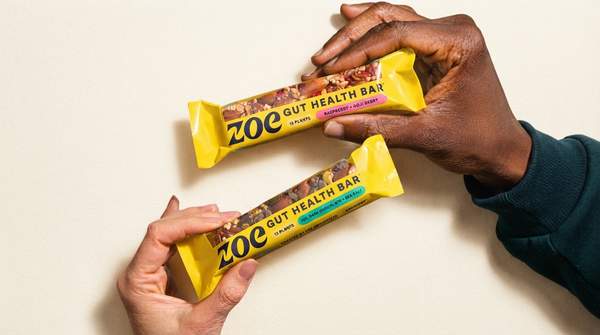
Two gut-health snack bars arrived on shelves within days of each other, and they make very different promises. The ZOE Gut Health Bar bets on plant diversity — more than ten whole plants per bar, with 8g of fiber and 7g of protein, per its launch announcement. The Biomel Prebiotic Gut Health Bar goes all-in on fiber: 13g per bar from seven wholegrain sources, with a marketing claim of 45% less sugar than more than 100 comparable bars. Here's how to decide which one fits your dietary goals.
Introduction: Navigating the Gut Health Bar Aisle
Let's be honest — the snack aisle has become a carnival of health buzzwords. Every wrapper shouts "all-natural," "high-protein," or "gut-friendly," and as one snack-bar guide puts it, those bold claims "often mask a less-than-healthy reality." The problem is structural: as ZOE's launch announcement notes, many products marketed as "healthy" or "high in protein" are ultra-processed, low in fiber, and loaded with added sugars, additives, and emulsifiers.
That's what makes these two new entrants interesting. Both are explicitly pitched at the gut-health crowd, but they take opposite philosophies. ZOE, whose Chief Science Officer is Professor Sarah Berry of King's College London, argues the snacking category has "optimized for convenience over nutritional quality and gut health" for too long. Biomel, meanwhile, wants to turn prebiotic support into "a pantry staple instead of a supplement habit." Different routes, same destination — your microbiome.
Gut Health Bar Comparison: ZOE vs. Biomel
Here's the side-by-side view of what each manufacturer and its launch coverage actually claims. Note the gaps: neither source details the specific fiber sources (like chicory root or inulin) or exact sugar grams, so this table reflects advertised claims, not lab-verified nutrition facts.
| Dimension | ZOE Gut Health Bar | Biomel Prebiotic Gut Health Bar |
|---|---|---|
| Claimed fiber content | 8g per bar | 13g per bar |
| Fiber/ingredient source | More than 10 whole plants (specific sources not detailed) | Seven wholegrain sources (specific grains not detailed) |
| Stated goal/philosophy | Nourish the gut microbiome through diverse, natural whole plants | High fiber with 45% lower sugar than more than 100 similar bars |
The pattern is clear: Biomel leads on sheer fiber volume, while ZOE leads on ingredient diversity. Which matters more depends on what your diet is missing — and that's where the evaluation framework below comes in.
Beyond the Hype: What Makes a Truly Healthy Snack Bar?
Strip away the marketing and dietitians tend to converge on three checks. First, fiber: a good snack bar should deliver a meaningful dose, with 3–5 grams per serving cited as a baseline for a "good source of fiber." Second, the sugar-to-fiber ratio: as one snack guide frames it, a healthy bar will "always have a low number for added sugar and a high number for dietary fiber," and comparing those two values gives you an immediate quality signal. Third, the ingredient list: registered dietitian Jessie Shafer's bar-selection process eliminates products with unwanted additives, high added sugar, highly processed carbs, and artificial sweeteners, favoring short, recognizable ingredient lists instead.
By the fiber benchmark alone, both bars clear the bar comfortably — ZOE's 8g and Biomel's 13g both exceed the 3–5g guideline. The differentiation comes from the other two criteria.
Fiber Content: Fueling Your Gut Microbiome
Fiber is the star nutrient here for good reason: it slows digestion, sustains energy, and feeds the gut microbes that prebiotic products are named after. On raw numbers, Biomel wins decisively — 13g versus ZOE's 8g, a difference of 5g per bar. Both figures come from launch coverage rather than independent testing, but both dwarf the typical "healthy" snack bar.
ZOE's counterargument is implicit in its design: its benefits come from "the diverse range of whole plants it contains," not a single fiber number. Whether ten-plus plants or seven wholegrains better serves your microbiome is genuinely unknowable from the available claims — neither source specifies which fibers, grains, or plant sources are actually in the bar. If maximum fiber per serving is your priority, Biomel is the pick. If variety of plant inputs matters more to you, ZOE's pitch is the one built around it.
Sugar Levels and Ingredient Simplicity: What to Watch For
Biomel's headline sugar claim — 45% lower than more than 100 similar bars — is a relative marketing claim, not an absolute number. Without the actual grams of sugar per bar, you can't compute the sugar-to-fiber ratio that dietitians recommend checking. ZOE's announcement, for its part, criticizes added sugars and additives in conventional bars but doesn't state its own sugar content in the launch materials.
So the practical move at the shelf is the same for both: flip the package over. Look for the added-sugar line and compare it against the fiber line, then scan the ingredient list for length and recognizability. One caution from dietitian Matthew Kadey's gut-friendly bar analysis is worth carrying with you: common "natural" sweeteners like dates are high in fructans, which can trigger digestive symptoms in people with IBS — a reminder that gut-friendly marketing doesn't guarantee gut comfort for every gut.
Making Your Choice: ZOE or Biomel?
Neither bar is a wrong answer, because they optimize for different goals. If your diet is fiber-poor and you want the biggest prebiotic payload per snack, Biomel's 13g from seven wholegrains is the stronger claim on paper. If you're chasing plant diversity — the "eat more plants" school of gut health — ZOE's ten-plus whole plants, 8g of fiber, and 7g of protein speak your language.
Two honest caveats before you buy. This comparison rests on launch announcements and marketing claims, not lab testing or tasting, and it covers only these two products — not a market survey. And neither source discloses specific probiotic or prebiotic strains, so if live cultures matter to you, that's a question for the label.
Which Bar Aligns with Your Gut Health Goals?
Choose the Biomel Prebiotic Gut Health Bar for higher fiber content and a focus on wholegrain sources, or the ZOE Gut Health Bar for a broader diversity of plant ingredients. The measurable indicator of a good decision is your selection of a gut health bar based on your priority for either maximum fiber per serving or a wider variety of plant-based ingredients — and once you're holding the wrapper, verify it: check that the added-sugar grams stay low relative to the fiber grams, and that the ingredient list reads like food rather than a chemistry exam. This article isn't medical advice, so if you have a digestive condition like IBS, let your own gut's response to high-fiber bars be the final judge.
Sources
- ZOE Launches Gut Health Bar Designed by World-Leading Scientists — Yahoo Finance
- Your Ultimate Guide to the Best Healthy Snack Bars — Rip Van
- The Best Protein Bars According To A Dietitian — The Real Food Dietitians
- A Dietician Analyzes and Ranks the Best Protein Bars for Gut-Friendliness — run