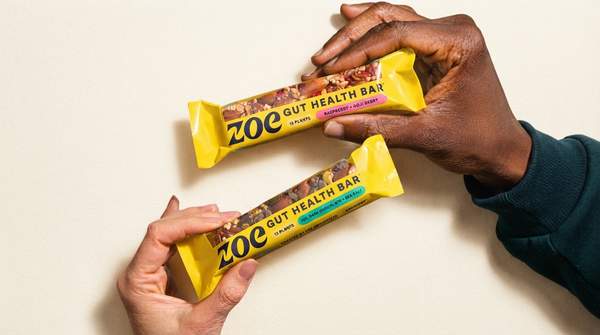
Here's the short answer: a "functional snack" is a snack whose maker promises health benefits beyond basic nutrition—better digestion, more energy, immune support. But "functional" is not a legally defined term in the United States. The FDA regulates the specific claims a package can make, yet it has no legal definition for "functional food" at all, according to the Academy of Nutrition and Dietetics. That gap is exactly why a skeptical, repeatable evaluation habit matters more than any buzzword on the front of the box.
What Are Functional Snacks?
Functional snacks sit inside the broader category of functional foods: foods that provide a potentially beneficial effect on health when consumed regularly and at certain levels. The Academy of Nutrition and Dietetics, whose page on the topic is authored by registered dietitian Esther Ellis, notes that this umbrella covers both minimally processed whole foods and fortified, enriched or enhanced products.
The scientific literature agrees on the breadth. A review of functional foods published in the journal of the Association of Food Scientists & Technologists (India) observes that most foods contain a functional element—fruits, vegetables, cereals, meat, fish and dairy all carry ingredients that contribute to a healthy state. So a handful of walnuts and a fiber-fortified protein bar can both claim the "functional" label, even though they are very different products.
In the US, the FDA regulates the label claims functional foods may use—such as claims promoting the role of dietary fiber for heart health, or terms like "reduced sodium" and "low-fat," which the agency does define. What the FDA does not do, per the Academy, is define "functional food" itself. Exon Publications, in an analysis of whether functional foods are science or marketing, warns that this lack of definition lets companies market products with vague claims about supporting immunity, heart health or digestion without providing substantial scientific proof.
Categories of Functional Ingredients: Inherent vs. Added
The useful split for a snack shopper is between ingredients that arrive on their own and ingredients that were engineered in. Inherently functional whole foods carry their benefits naturally: oats bring fiber, berries bring antioxidants, nuts bring healthy fats. Exon Publications describes a diet built this way—probiotic-rich yogurt or kefir, fiber-rich whole grains, antioxidant-packed berries and nuts—as providing the components for overall well-being.
Added functional ingredients are a different beast. A review of functional ingredient design published on PMC catalogs how bioactive compounds are deliberately incorporated into everyday formats: bioactive peptides from diverse raw materials are already commercialized in bars, drinks and dairy; antioxidant dietary fiber from plant by-products is added to meat; whey and casein proteins are combined with polyphenols to build delivery systems for high-protein functional foods. The industry trade press confirms the direction. Johan Cerstiaens, managing director of ingredient supplier SVZ, told Food Ingredients First that brands are shifting from "taking out the bad" like sugar, salt and fat to "building nutritional and functional value back in," with fiber a particular focus as one of the most consistently under-consumed nutrients in the average European diet.
Neither route is automatically better on paper— peptide-fortified foods can add scientifically validated benefits beyond basic nutrition, the PMC review notes—but the added route puts the burden of proof on the product, not the ingredient.
Whole Foods vs. Processed Snacks: Understanding the Health Impact
This is where marketing gets slippery. Exon Publications draws the line plainly: whole foods such as nuts, seeds and fatty fish have been studied for positive effects on heart health, but when highly processed snack bars or meal replacements contain only trace amounts of these ingredients, they are unlikely to deliver the same benefits.
The problem compounds because a functional add-on can dress up an otherwise mediocre product. A bar dusted with probiotics or collagen peptides may still be a confectionery with a health halo. The Academy's guidance points the same direction: minimally processed whole foods, along with fortified and enriched foods, can all be functional, and the fortified ones deserve extra label scrutiny.
The deeper question, as Exon Publications frames it, is whether consuming a specific food in everyday dietary habits will actually produce the expected outcomes in the human body. A nutrient with documented positive effects—fiber, probiotics, omega-3s—does not transfer its evidence to a processed snack just because a pinch of it appears on the ingredient list.
How to Evaluate Functional Snack Claims
Use this decision matrix the next time a package promises you a better gut, sharper focus or a stronger heart. It breaks any claim into its working parts: the ingredient, its quantity and form, the claim language, and the whole-food comparison.
| Step | Question to ask | What a credible answer looks like |
|---|---|---|
| 1. Identify the ingredient | What is the functional ingredient behind the claim? | A specific, named compound—dietary fiber, a named probiotic strain, omega-3s—rather than a vague "immunity blend." |
| 2. Assess quantity and form | How much is actually in it, and is it meaningful per serving? | Nutrition-label amounts you can compare. Trace amounts in a processed bar are unlikely to match whole-food benefits, per Exon Publications. |
| 3. Analyze the claim language | Is the wording specific or vague? | Specific claims fall under FDA label rules (e.g., fiber's role in heart health). Vague "supports wellness" language is the pattern Exon Publications flags as requiring little scientific proof. |
| 4. Compare to the whole-food alternative | Could I get this benefit from the unprocessed source? | If oats, berries, nuts or fatty fish deliver the same ingredient intact, the processed version needs a strong reason to exist in your cart. |
| 5. Check the rest of the label | What else came along for the ride? | Scan added sugars and sodium. The FDA defines "reduced sodium" and "low-fat" for a reason; a fortified product can still carry a heavy load of both. |
Run one package through it and the logic becomes obvious. A granola bar claiming "fiber for heart health" with several grams of fiber and modest sugar passes steps one through three, and step four asks only whether plain oats would do the same job for less. A candy-style bar with "probiotic support" in decorative print fails at step two before you even reach the comparison.
Making Informed Snack Choices
The decision rule that falls out of the evidence: prioritize minimally processed, whole foods for functional benefits, and treat claims on processed functional snacks as claims to be verified, not facts to be trusted. The regulatory structure in the US polices specific label language but leaves the "functional" category itself undefined, which means the science-checking job belongs to you.
The measurable indicator that you've internalized this framework is simple: before any functional snack goes in your basket, you've consistently checked the ingredient list and nutrition label for added sugars and sodium, and for the quantity and form of the functional ingredient the package is boasting about. If you can't answer what the ingredient is, how much you're getting, and what the whole-food alternative would look like, the claim hasn't earned your money yet.