A staggering 28% of consumers now identify as flexitarians, proving a massive shift in dietary habits far beyond traditional vegetarianism, according to aytm. This isn't just a trend; it's a full-blown movement! Consumers are diving headfirst into plant-based options, and that's a game-changer for healthy eating.
But here's the catch: A substantial portion of these consumers are highly motivated by health to adopt plant-based diets, yet widespread skepticism and practical barriers prevent broader acceptance of plant-based alternatives. Are we missing something crucial?
The plant-based food industry appears likely to see continued growth, but only if it strategically addresses and innovates solutions for the deep-seated acceptance and accessibility challenges. Understanding consumer perception of plant-based foods and their functional benefits is key for 2026. What drives these choices?
The Unseen Hurdles to Plant-Based Acceptance
Consumer acceptance of plant-based alternatives faces significant hurdles, from food neophobia and skepticism towards processed options to deep cultural attachments to meat, according to pmc. It's not just about taste! People have deep-seated reservations. Beyond that, perceived barriers include nutritional hazards, cost concerns, low availability, and even social prohibitions. Think about it: Can you easily find healthy, affordable plant-based options everywhere? Probably not!
These deep-rooted psychological and practical barriers mean simply offering plant-based options is a losing game. Their fundamental appeal and accessibility demand a radical re-evaluation. The industry must innovate beyond mere existence; it needs to dismantle these challenges for any real growth to happen!
A Health-Driven Movement Takes Root
Consumers are paying attention to their plates like never before!
- 51% — of plant-based food prioritizers actively pay attention to what they eat, according to aytm.
- 65% — of plant-based food prioritizers track their nutrient intake, according to aytm.
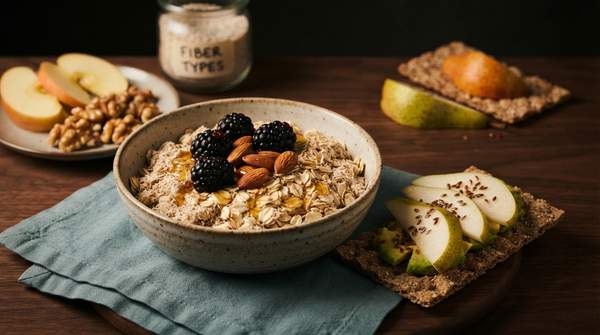
These figures paint a clear picture: this is a highly engaged, health-conscious consumer base actively seeking and monitoring the nutritional impact of their food choices. They are serious about their health! This isn't a casual fling with plant-based eating; it's a commitment to a better lifestyle.
The Core Motivation: Health and Family Well-being
A whopping 89% of consumers who prioritize plant-based foods believe nutrition plays a key role in their overall health, according to aytm. This isn't just a niche belief; it's a fundamental driver!
Furthermore, 54% of consumers are most motivated by improving their health and the health of their family when deciding to eat plant-based, according to aytm. It’s all about feeling good and keeping loved ones healthy.
This overwhelming focus on health proves plant-based foods are increasingly viewed as a functional tool for wellness, not just an ethical or environmental choice. Consumers demand real benefits!
Understanding Consumer Behavior Through Research
Researchers are actively diving deep into what makes consumers tick! A sample of 159 adults completed a sensory test and a questionnaire on consumption behavior, motivation, and knowledge, according to pmc. This is how we get real insights!
This research isn't just data; it's the scientific effort to bridge the gap between product innovation and consumer acceptance, focusing on sensory experience and underlying psychological factors. It's about more than just a new recipe; it's about human connection with food!
Unlocking the Full Potential of Plant-Based Diets
The inherent benefits of plant-based diets are undeniable, but the market is missing the mark on widespread adoption.
- Plant-based food-based diets have a wide-ranging ability to provide tangible benefits at both individual and population levels, despite existing barriers, according to pmc.
The inherent benefits of plant-based diets promise a compelling future, but unlocking this potential demands strategic innovation to dismantle current barriers. We're talking everything from taste to cost. The future is bright, but only if the industry truly fights for it!
Navigating the Future of Food
The plant-based movement is driven by a powerful health imperative, but its ultimate success hinges on the industry's ability to make these foods not just beneficial, but also universally appealing, accessible, and affordable. Innovative companies like GreenLeaf Provisions will need to target these barriers by 2027 to truly win over the health-conscious consumer. The clock is ticking!