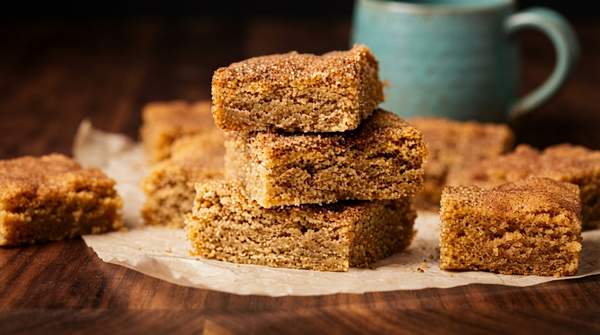
Have you ever wondered what gives your homemade cookies that irresistible golden-brown crust, or why roasted nuts develop such a complex, savory-sweet aroma? The secret lies in a fascinating chemical process known as the Maillard reaction. This non-enzymatic browning reaction is a cornerstone of flavor development in many baked snacks, transforming simple ingredients into a symphony of tastes and smells.
Understanding the Maillard reaction's mechanics and how to manipulate key factors like temperature, pH, and ingredient ratios can empower home bakers to fine-tune the browning and complex flavor profiles of their cookies, crackers, and roasted nuts. It's a culinary superpower that turns ordinary baking into an art form, allowing you to achieve specific sensory attributes in your favorite treats.
Introduction to the Maillard Reaction in Baked Snacks
The Maillard reaction is a fundamental flavor-producing reaction in cooking, often referred to as a "browning reaction," though this description is incomplete. It's a non-enzymatic browning process that occurs without the presence of enzymes, creating both flavor and aroma during cooking. This reaction is widely utilized, from the baking industry to everyday cooking, to enhance the taste of food.
This complex series of chemical reactions is responsible for the appealing golden-brown color and the rich, savory-sweet flavors found in a wide array of baked foods. Whether you're roasting marshmallows, baking bread, or searing a steak, the Maillard reaction is at play, transforming proteins and sugars through heat into delicious outcomes. It's a process that explains why baked foods taste so good, according to PBS North Carolina.
The Chemical Basis of Browning and Flavor Development
At its core, the Maillard reaction is a chemical interaction between amino acids and reducing sugars when foods are processed or cooked at high temperatures. This reaction leads to the formation of Maillard Reaction Products (MRPs), which are responsible for the distinctive brown pigments and the myriad of complex flavors we associate with baked goods. The process involves many small, simultaneous chemical reactions, resulting in a wide spectrum of flavors and shades of golden-brown color.
The Maillard reaction creates brown pigments by rearranging amino acids and certain simple sugars. These rearranged compounds then form rings and collections of rings that reflect light, giving foods their characteristic brown color, as explained by Modernist Cuisine. Depending on how food is processed, both beneficial and potentially toxic MRPs can be produced, highlighting the complexity of these transformations.
Temperature: The Primary Driver of Maillard Reaction
Temperature is a critical factor that dictates the rate and extent of the Maillard reaction in bakery products. Higher temperatures, such as those typically used in baking, significantly accelerate the reaction. For instance, browning in baked products often begins around 160°C, though the reaction can still occur at lower temperatures, albeit at a slower pace, according to BAKERpedia.
The baking process itself involves a combination of heat and mass transfer, leading to non-enzymatic browning, protein denaturation, and starch gelatinization, all of which contribute to the final structure of the product. The temperature increase during baking regulates these phases, with crust browning being a prominent outcome. Shengmin Sang, Ph.D., a Professor at North Carolina A&T State University, emphasizes that cooking temperature, along with time, pH, and water content, are key factors influencing the Maillard reaction.
pH and Ingredient Ratios: Fine-Tuning Flavor and Appearance
Beyond temperature, the pH level and the ratio of sugars to proteins are crucial for controlling the Maillard reaction and achieving desired sensory and quality attributes in food products. The Maillard reaction generally thrives under alkaline conditions, with optimal browning occurring at a pH between 6 and 8, as noted by BAKERpedia. Food scientists and manufacturers often manipulate pH through ingredient selection and processing conditions to optimize the reaction, influencing product appearance, taste, and texture.
The type and amount of sugars in a formula also significantly impact the rate and extent of browning. The presence of reducing sugars is a key precursor, directly initiating and progressing the Maillard reaction. Similarly, amino acids, derived from proteins, are essential precursors that react with these sugars to generate volatile compounds, contributing to the development of distinct flavor profiles. By adjusting these ratios, home bakers can fine-tune the browning and flavor complexity of their snacks.
Maillard Reaction Control Panel for Bakers
This table provides a quick reference for home bakers to understand how different factors influence the Maillard reaction, helping to achieve desired browning and flavor outcomes in baked snacks.
| Factor | Influence on Maillard Reaction | Effect on Browning | Effect on Flavor Profile | Qualification |
|---|---|---|---|---|
| Temperature | High temperatures (e.g., 150-160°C) accelerate the reaction rate. | Increases browning intensity and speed. | Develops complex, savory-sweet, and roasted notes. | Reaction rate is highly dependent on temperature; higher temperatures generally lead to faster reactions. |
| pH Level | Optimal reaction occurs under alkaline conditions (pH 6-8). | Enhances browning intensity. | Can optimize for desired sensory attributes. | Food scientists and manufacturers manipulate pH through ingredient selection and processing conditions. |
| Sugar Content | Reducing sugars are key precursors; higher content increases reaction potential. | Increases browning intensity and extent. | Contributes to sweet, caramel, and toasted notes. | The type and concentration of sugars can influence the specific flavor compounds formed. |
| Protein/Amino Acid Content | Amino acids are essential precursors; higher content increases reaction potential. | Contributes to browning. | Develops savory, meaty, and nutty notes. | Different amino acids can lead to distinct flavor profiles. |
Practical Tips for Home Bakers: Optimizing Maillard in Your Kitchen
For home bakers, understanding these factors means you can actively influence the outcome of your baked snacks. To enhance browning and complex flavors, consider baking at temperatures typically ranging from 150-160°C, which is known to promote significant browning. While higher temperatures accelerate the reaction, careful monitoring is essential to prevent burning.
Adjusting the pH of your dough or batter can also make a difference. Since the Maillard reaction favors slightly alkaline conditions (pH 6-8), ingredients like baking soda (which is alkaline) can promote browning and flavor development more effectively than baking powder, which often contains acidic components. Furthermore, the ratio of sugars to proteins in your recipe directly impacts the reaction. Recipes with a good balance of reducing sugars (like glucose and fructose) and amino acids (from flour, eggs, or nuts) will yield richer browning and more complex flavors. Experimenting with different types of sugars or flours can lead to varied and exciting results.
Understanding Maillard Reaction Byproducts: Acrylamide
While the Maillard reaction is celebrated for its flavor-enhancing properties, it's also important to acknowledge that it can produce certain byproducts. One such byproduct is acrylamide, which can form when foods are prepared at high temperatures, such as in the baking of French fries, according to Wikipedia. The formation of acrylamide is a result of the chemical reactions between amino acids and reducing sugars under intense heat.
It's worth noting that the Maillard reaction can produce both beneficial and potentially toxic Maillard Reaction Products (MRPs), depending on the specific food processing conditions. For instance, some MRPs, like melanoidins, have been reported to have beneficial effects such as antioxidative properties. However, other MRPs, such as acrylamide, have been identified as potential carcinogens. While this article focuses on practical baking applications, being aware of these byproducts is part of a comprehensive understanding of the Maillard reaction.
Bake Smarter: Mastering Maillard for Superior Snacks
Home bakers can intentionally manipulate temperature, pH, and ingredient ratios to control the Maillard reaction, thereby enhancing the browning and complex savory-sweet flavors in their cookies, crackers, and roasted nuts. To gauge your success, observe the color and aroma development during baking; a deeper golden-brown and richer, more complex scent indicate a successful Maillard reaction.