In kitchens around the world, a quiet magic is at work inside bubbling jars of pickles and swelling loaves of sourdough. This transformation, which turns simple cabbage into tangy sauerkraut and grape juice into wine, is fermentation. At its heart, fermentation is a process where friendly microbes—like bacteria and yeasts—do some of the heavy lifting for us. These microscopic helpers consume the sugars and starches in food, creating byproducts like acids, alcohol, and gases that fundamentally change its character, preserving it for longer, developing complex new flavors, and even giving it a delightful fizz.
The Microbial Magic: What is Fermentation?
Long before modern science could explain the process, humans were partnering with microorganisms to preserve food. Fermentation is an ancient technique that extends the life of food far beyond what modern refrigerators can offer. The core principle involves creating an environment where beneficial microbes can thrive while harmful ones are suppressed. When you add salt to vegetables or introduce a starter culture to milk, you are setting the stage for these helpful organisms to get to work.
These microbes break down the natural sugars and starches in the food to fuel their own life processes. In doing so, they produce what scientists call metabolites. According to information from Stanford Medicine, primary metabolites such as lactic acid and alcohol are crucial for both preserving the food and shaping its final flavor profile. The result is a transformation that not only keeps food safe and edible for weeks or months but also unlocks entirely new tastes and textures that simply don't exist in the fresh ingredients.
Fermentation Pathways: Microbial Action to Culinary Outcome
The diverse world of fermented foods—from the sharp tang of yogurt to the bubbly effervescence of kombucha—can be understood by looking at three main pathways. The specific taste, texture, and preservative qualities of a fermented product depend on the primary byproducts the microbes create during their metabolic process. Whether the final result is sour, alcoholic, or fizzy is a direct outcome of the specific microbial action that dominates the fermentation.
| Microbial Action (Input) | Primary Byproduct | Effect on Food (Outcome) |
|---|---|---|
| Bacteria consume sugars in food. | Lactic acid | Creates a clean, sour tang and preserves food by slowing the growth of harmful bacteria. This is the key process in foods like sauerkraut, kimchi, and yogurt. |
| Yeast breaks down sugars in food. | Alcohol (ethanol) | Contributes to the distinct flavors of alcoholic beverages and also acts as a preservative by slowing bacterial growth. |
| Microbes metabolize sugars. | Carbon dioxide gas | Produces bubbles and fizziness in drinks like water kefir, and provides the leavening that makes bread rise into a light, puffed texture. |
Lactic Acid: The Tangy Preserver
The characteristic sour flavor of many beloved ferments, from pickles to kimchi, is the work of lactic acid. This compound is the primary byproduct of lactic acid bacteria, such as Lactobacillus. In an article for Science Friday, Sandy Roberts explains that during this process, the lactic acid produced by the bacteria gets absorbed by the vegetables, creating their signature sour taste. This process unlocks and transforms flavors in a way that only biochemistry can.
But this acid does more than just add flavor. As Sharon Flynn notes in a piece for The Fermentary, it imparts a "clean tang" while fundamentally altering the food's environment. The accumulation of lactic acid lowers the pH, making the food too acidic for most spoilage-causing microbes to survive. This natural preservative effect is why foods like sauerkraut can last for months when stored properly. The process also creates a host of other complex flavor compounds, turning a simple vegetable into something with layers of taste.
Alcohol and Gases: Flavor, Fizz, and Leavening
While bacteria are the stars of lactic acid fermentation, yeasts are the champions of another pathway: alcoholic fermentation. These single-celled fungi are experts at breaking down sugars to produce ethanol. This alcohol not only forms the basis of beverages like beer and wine but also serves as a powerful preservative, slowing the growth of unwanted bacteria in a similar way to acid.
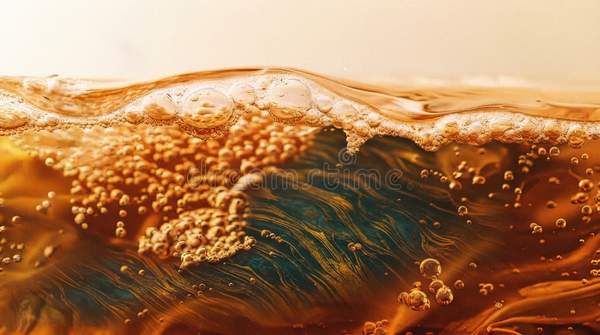
A common partner to both lactic acid and alcoholic fermentation is the production of carbon dioxide gas. This byproduct is responsible for some of the most celebrated textures in food. In bread making, the gases released by yeast become trapped within the dough's gluten network, causing it to rise and creating the light, airy crumb of a finished loaf. In drinks like kombucha and water kefir, this same gas creates the signature bubbles and effervescence. Whether it's leavening bread or carbonating a drink, this microbial breath gives fermented foods their lively character.
Homemade vs. Store-Bought: The Pasteurization Divide
When exploring fermented foods, you may notice a significant difference between what you can make at home and what you find on a supermarket shelf. Many commercially produced fermented products, including sauerkraut and kombucha, are pasteurized. This process involves heating the food to a specific temperature to kill off any microorganisms, making the product shelf-stable and safe for long-term storage without refrigeration.
However, this heat treatment is indiscriminate, eliminating both potentially harmful microbes and the beneficial ones responsible for the fermentation itself. According to an article from Food Unfolded, this process "lowers the probiotic benefits." In contrast, homemade ferments are typically unpasteurized and remain teeming with live microbes. While this means they are "full of beneficial probiotics," it also means they have a shorter shelf life and must be stored properly, usually in the refrigerator, to remain safe and delicious.
Making Informed Choices: Homemade vs. Commercial Ferments
Ultimately, the choice between making your own fermented foods or buying them comes down to understanding a key trade-off. When choosing between homemade and store-bought fermented foods, consider the trade-off between the presence of live cultures and extended shelf life. If your goal is a convenient, long-lasting product, a pasteurized commercial option may be suitable. If you are interested in the dynamic flavors and potential probiotic content of a living food, a homemade version or a refrigerated, unpasteurized commercial product is the better choice.
To make an educated decision at the grocery store, check product labels for 'pasteurized' or 'contains live cultures' to understand the microbial content and expected shelf stability. This simple check can help you align your purchase with your culinary and wellness goals, ensuring you get exactly what you expect from your fermented foods.
Sources
- The Science of Fermented Foods — Nutrition
- Stinky and Delicious: Why Fermentation Makes Great Food — Science Friday
- The Science of Fermentation — The Fermentary
- Fermentation explained: behind the science, culture and taste — Foodunfolded