That little phrase "natural flavors" on a snack label sounds like someone crushed a strawberry and called it a day. The reality is more interesting. Under U.S. Food and Drug Administration rules, a natural flavor is any flavoring derived from a plant or animal source and produced using processes like heating, extraction, and fermentation — the same kinds of processes commonly used to make everyday foods. The "natural" label is about where the flavor came from and how it was obtained, not about simplicity, purity, or health. Here is the science behind what's actually in the bag.
Understanding 'Natural Flavor': The FDA's Definition
The Flavor Extract Manufacturers Association, the industry body that evaluates the safe use of flavorings, summarizes the regulator's position plainly: the FDA "defines a natural flavor as a flavor that is derived from a natural source such as strawberries, and is produced using processes such as heating, extraction, and fermentation that are commonly used to produce foods." In other words, the definition has two moving parts — a natural origin and an approved process.
The regulatory home for this distinction is 21 CFR 101.22, where the FDA separates natural flavors from artificial flavors, which are produced through chemical synthesis. A natural flavor is a flavoring derived from a plant or animal source — a spice, fruit, herb, vegetable, edible yeast, or dairy product — whose primary job in food is taste rather than nutrition. That last clause matters: a natural flavor is defined by function, not by nutritional virtue.
One practical consequence for shoppers: the FDA does not require food labels to spell out what is inside a "natural flavor" unless the ingredients include a common allergen such as milk, egg, fish, shellfish, tree nuts, wheat, peanuts, or soy. Beyond allergen triggers, the label can stay a black box.
Scientific Methods for Creating Natural Flavors: Extraction and Distillation
The first family of techniques is physical. Solvent extraction is exactly what it sounds like: a solvent, often water or ethanol, dissolves and pulls flavor compounds out of the source material. Related methods include maceration, percolation, and infusion, which all involve soaking plant material in a solvent so flavor compounds break free from the plant.
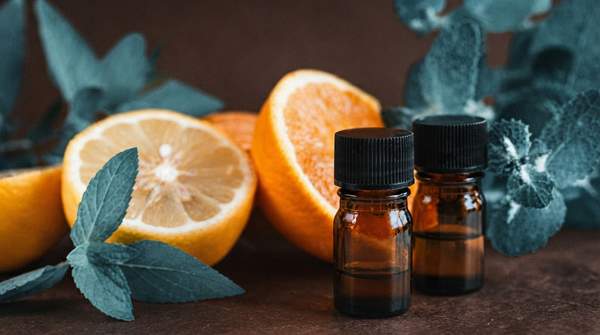
Distillation works on a different principle — separation by boiling point. In steam distillation, a typical process for essential oils, steam is directed through plant material, the resulting vapor is collected and condensed, and the oil is separated from the water layer. What remains is the essential oil itself, which is classified as a natural flavor. Peppermint oil is a classic example: potent, concentrated, and entirely legitimate under the definition.
After extraction, the resulting concentrate is purified and blended to create a consistent, powerful flavor that can be used in food products. That blending step is where a trained professional — the flavorist — earns their keep, balancing top notes, body, sweetness perception, mouthfeel, and aftertaste from multiple natural ingredients.
Biological Processes: Fermentation and Enzymatic Reactions
The second family of techniques is biological. Fermentation uses microorganisms like yeast to transform a substance and create new, complex flavor compounds — a process the FDA explicitly recognizes as acceptable for natural flavor production. This is the same ancient chemistry that turns grain into bread and cabbage into sauerkraut, repurposed at industrial scale for flavor development.
Enzymatic processes sit alongside fermentation in the regulator's approved toolkit. Rather than a whole microorganism doing the work, specific enzymes drive the reactions that develop or alter flavor compounds in the source material. Heating and roasting round out the approved methods — applying heat to natural sources to develop flavor, the way a roasted peanut tastes nothing like a raw one.
The unifying logic is that all of these are processes "commonly used to produce foods." The FDA's framework treats familiar kitchen-and-farmyard transformations — cooking, fermenting, extracting — as natural, even when they happen in a stainless-steel tank rather than a home kitchen.
Comparative Methods for Natural Flavor Creation
The table below organizes the main techniques by their underlying scientific mechanism, typical source material, and the kind of flavor product each one yields. Reading across the rows shows how the process determines the final form of the natural flavor.
| Processing Method | Scientific Principle | Example Source Material | Resulting Flavor Type |
|---|---|---|---|
| Solvent extraction (incl. maceration, percolation, infusion) | A solvent dissolves and pulls flavor compounds out of plant or animal material | Plant material soaked in water or ethanol | Flavor extracts and concentrates |
| Distillation (incl. steam distillation) | Liquids are separated based on their boiling points; vapor is condensed and the oil layer collected | Plant material such as peppermint | Potent essential oils, classified as natural flavors |
| Fermentation | Microorganisms like yeast transform a substance and create new, complex flavor compounds | Source material metabolized by microorganisms | Complex flavor compounds recognized by the FDA as natural |
| Enzymatic processes | Specific enzymes drive reactions that develop or alter flavor compounds | Natural source material | Flavor compounds produced under FDA-approved methods |
| Heating / roasting | Heat develops or alters the flavor profile of a natural source | Natural foods such as nuts or grains | Developed, cooked-type flavor notes |
The comparison makes the pattern visible: physical methods (extraction, distillation) isolate compounds that already exist in the source, while biological methods (fermentation, enzymatic reactions) create new compounds by transforming the source. Both paths end at the same regulatory destination — a natural flavor.
Natural vs. Artificial Flavors: Source, Not Structure
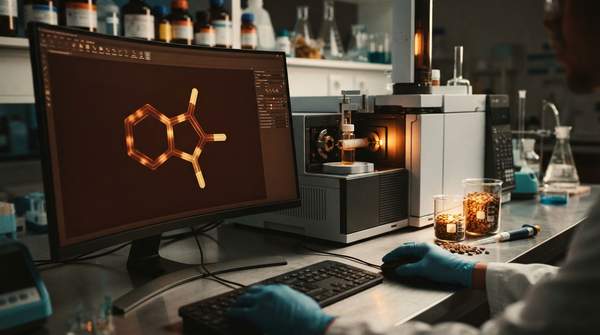
Here is the part that surprises most people: the natural/artificial divide is about origin, not molecular identity. Consider vanillin, the chemical that gives vanilla its classic, creamy flavor. It can be extracted from a vanilla bean — making it a "natural flavor" — or created synthetically — making it an "artificial flavor." As one flavor guide puts it, "Your taste buds can't tell the difference because, chemically, they're identical."
Artificial flavors are built from the ground up: flavor chemists use synthetic materials, which can include petroleum-derived inputs, to construct molecules that are exact chemical copies of ones found in nature. Natural flavors, by contrast, start with the actual plant or animal and use the extraction, distillation, and fermentation methods described above to isolate the same compounds.
Both categories are made by scientists, and natural flavors may even contain more chemicals than their artificial counterparts, since a natural extract is a mixture rather than a single purified molecule. Neither label is a health claim, and neither is automatically "better."
There is also an environmental trade-off worth knowing. The massive global demand for real vanilla has been linked to deforestation where the orchids grow, and cultivating acres of citrus for essential oils takes enormous amounts of water and land. Artificial flavors often start with non-renewable resources like petroleum, which carries its own baggage from drilling and chemical processing — but lab synthesis can sometimes use far less water and land than farming. The choice is not a simple case of good versus bad.
Informed Choices: Decoding 'Natural Flavor' on Labels
When evaluating food products, consumers should understand that "natural flavor" indicates a source from plants or animals and specific processing methods, but does not guarantee a simple ingredient list or the absence of non-flavoring additives. The FDA definition governs the initial source and the allowed processes; the final flavor blend can include carrier ingredients and other components that don't appear separately on the label unless they are common allergens.
The practical trigger for a smarter shopping habit is simple: the presence of "natural flavors" on an ingredient list should prompt a deeper understanding of its regulatory basis and potential complexity. If an allergen matters to you, that is the one case where the label must disclose it. Otherwise, "natural" tells you where the flavor started — a strawberry, a peppermint leaf, a fermenting yeast culture — and nothing more. Knowing the definition means you'll never mistake it for a promise it doesn't make.
Sources
- Natural Flavors — Femaflavor
- Where Do Natural Flavors Come From? You May Be Surprised... — wholier
- What’s the deal with natural flavors? — LMNT Electrolytes
- What Are Natural Flavors? Definition & FDA Rules — Mosaic Flavors
- Natural food flavours: a healthier alternative for bakery industry—a review - PMC
- Natural Flavors Vs Artificial Flavors A Complete Guide — Rip Van