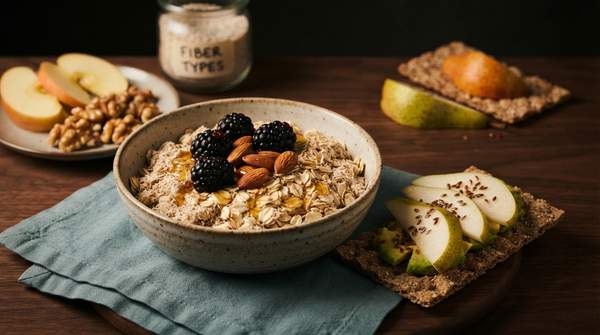
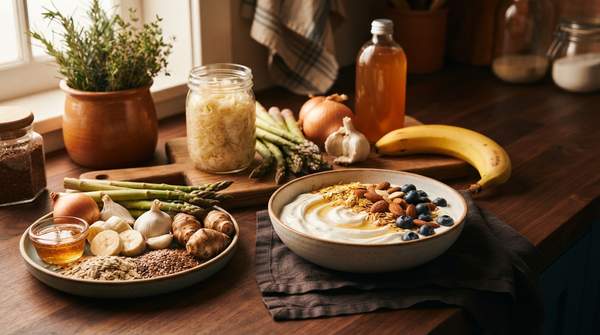
An estimated 54 million Americans, including 1 in 2 women over 50, face the threat of osteoporosis, a condition largely preventable with adequate calcium intake, reports the National Osteoporosis Foundation. Many assume meeting daily calcium needs demands strict diets or exclusive dairy. Yet, a diverse array of accessible snacks can easily fulfill these requirements. Diversifying snack choices beyond traditional dairy can significantly improve bone health, freeing individuals from dietary restrictions and overwhelm.
Calcium, the body's most abundant mineral, stores 99% in bones and teeth, reports the National Institutes of Health. Consistent intake is vital due to calcium's fundamental role. Adults need 1,000-1,200 mg daily, states the Dietary Guidelines for Americans. Yet, despite bone density peaking around age 30—making early and consistent intake crucial (Mayo Clinic)—many Americans fall short of these targets (CDC). A critical need for accessible calcium sources exists, as consistent intake is foundational for preventing bone-related diseases.
The Calcium Landscape: Beyond Dairy
- 70% — Dairy products contribute about 70% of US dietary calcium, but non-dairy sources are gaining recognition (USDA).
- 30-45% — A single serving of fortified plant-based milk, like Almond Breeze or Silk, can provide 30-45% of daily calcium.
- 415 mg — One cup of plain yogurt offers 415 mg of calcium, nearly half the daily recommended intake (USDA FoodData Central).
- Higher Bioavailability — Some plant-based sources, like kale, boast higher calcium absorption rates than milk (American Journal of Clinical Nutrition).
Dairy remains a strong source, but a significant portion of daily calcium is easily met through fortified alternatives and plant-based options, often with comparable or superior absorption. The shift to fortified alternatives and plant-based options opens new avenues for those with dietary restrictions or environmental concerns to meet their calcium needs effectively.
Top Dietitian-Approved Calcium-Rich Snacks for 2026
1. Sardines (with bones)
Best for: Individuals seeking a high-density calcium source and omega-3 fatty acids.
A 3 oz serving of sardines with bones delivers 324 mg of calcium (32% DV), making them a potent source for bone health.
Strengths: High calcium content, provides omega-3s, convenient. | Limitations: Strong flavor may not appeal to all, contains sodium. | Price: Moderate.
2. Yogurt
Best for: Those seeking a versatile, probiotic-rich dairy option for bone support.
Yogurt is a significant dietary calcium source. One cup of plain yogurt offers about 415 mg of calcium, nearly half the daily recommended intake.
Strengths: Excellent calcium, probiotics, versatile. | Limitations: Contains lactose, some varieties have added sugar. | Price: Moderate.
3. Cheese
Best for: Snackers who enjoy dairy and want a concentrated calcium source.
Cheese offers significant dietary calcium, with amounts varying by type. Swiss cheese, for example, provides about 270 mg per ounce.
Strengths: High calcium, protein, convenient. | Limitations: High in saturated fat, some varieties contain more sodium. | Price: Varies by type.
4. Almonds
Best for: Plant-based eaters or those looking for a crunchy, nutrient-dense snack.
One ounce of almonds provides about 75 mg of calcium, plus healthy fats and protein (California Almond Board). They offer a convenient, portable calcium boost.
Strengths: Good calcium, healthy fats, fiber, portable. | Limitations: Calorie-dense, potential allergen. | Price: Moderate to high.
5. Fortified Soy Milk
Best for: Individuals avoiding dairy who need a comparable calcium source.
One cup of fortified soy milk contains calcium comparable to cow's milk. Many brands fortify plant milks to match dairy levels.
Strengths: Dairy-free, comparable calcium to milk, often vitamin D fortified. | Limitations: Flavor varies by brand, potential allergen. | Price: Moderate.
6. White Beans
Best for: Those seeking a fiber-rich, plant-based calcium source that can be incorporated into dips or salads.
One cup of white beans yields 161 mg of calcium. These versatile legumes integrate well into savory snacks or dips.
Strengths: Good calcium, high fiber, plant-based protein. | Limitations: Requires preparation, less conventional snack. | Price: Low.
7. Turnip Greens (boiled)
Best for: Individuals integrating more leafy greens into their diet for bone health.
A half-cup serving of boiled turnip greens provides 99 mg of calcium (10% DV). This cooked vegetable offers a significant calcium contribution.
Strengths: High calcium, nutrient-dense, low calorie. | Limitations: Requires cooking, strong flavor. | Price: Low.
8. Kale
Best for: Green smoothie enthusiasts or those making homemade veggie chips.
One cup of raw kale provides 90 mg of calcium (9% DV); cooked, it offers 94 mg (9% DV). Kale is a nutrient-rich, low-calorie option.
Strengths: Good calcium, vitamins K and C, antioxidants. | Limitations: Less bioavailable calcium than some sources, strong flavor. | Price: Moderate.
9. Fortified Cereals
Best for: Quick snackers who want an easy calcium boost, especially with fortified milk.
Many fortified cereals are calcium-rich. Consuming them dry or with fortified plant milk offers a quick calcium boost.
Strengths: Convenient, can be a good source of calcium and other vitamins. | Limitations: Many contain added sugars, can be processed. | Price: Low to moderate.
10. Broccoli (frozen)
Best for: Individuals looking for a convenient vegetable snack, particularly when steamed or roasted.
One cup of frozen broccoli has 87 mg of calcium. Freezing preserves its nutritional value, making it readily available.
Strengths: Good calcium, vitamin C, fiber, convenient. | Limitations: Less appealing raw for some, requires preparation. | Price: Low.
These diverse, readily available foods, from nuts and fish to fortified beverages, prove that delicious calcium boosters are within easy reach.
Comparing Calcium Sources: What You Need to Know
| Calcium Source | Calcium Content (Approx.) | Bioavailability | Notes |
|---|---|---|---|
| Dairy Yogurt | 415 mg per cup | High | Offers probiotics, but contains lactose. |
| Fortified Tofu | 200-400 mg per ½ cup | Moderate to High | Varies by brand and coagulant used, as per USDA FoodData Central. |
| Spinach | High content, but low absorption | Low | High oxalate content inhibits absorption, making it less effective than kale, notes Harvard Health Publishing. |
| Swiss Cheese | 270 mg per ounce | High | Higher calcium than many other cheese types; cream cheese has only 20 mg per ounce. |
| Calcium Supplements | Varies (e.g. 500-600 mg) | Varies | Dietary calcium is generally preferred for better absorption and additional nutrients, states the National Osteoporosis Foundation. |
Not all calcium sources are created equal in quantity or bioavailability. Understanding these nuances empowers individuals to make more strategic dietary choices for optimal bone health, moving beyond simple calcium counts.
How We Chose Our Calcium-Rich Snacks
Our recommended snacks were carefully selected based on established nutritional guidelines and expert dietitian input (Academy of Nutrition and Dietetics). Criteria included calcium density, bioavailability, and overall nutritional profile (Journal of the American Dietetic Association), similar to the detailed analysis found in articles on dietitian-approved shakes and their nutritional profiles. Priority was given to accessible, affordable options requiring minimal preparation, a key consumer factor (Consumer Reports). Both dairy and non-dairy options were included to cater to diverse needs and allergies (Food Allergy Research & Education). This rigorous selection process ensures our recommendations are not just theoretical, but genuinely practical and impactful for daily life.
Beyond Snacks: A Holistic Approach to Bone Health
Consistent intake of calcium-rich foods throughout life proves more effective for bone health than sporadic supplementation (Osteoporosis International). Optimal absorption and bone mineralization also require combining other nutrients like vitamin D and magnesium. calcium with Vitamin D, magnesium, and Vitamin K (Journal of Bone and Mineral Research). A balanced diet rich in fruits, vegetables, and lean proteins further supports overall skeletal health (World Health Organization). While calcium-rich snacks are vital, true bone health emerges from a sustained, comprehensive approach encompassing diverse nutrients and healthy lifestyle choices. By 2026, health educators will likely broaden their messaging, moving beyond singular sources to promote a diverse intake strategy for calcium.
Your Calcium Questions Answered
What are quick and easy calcium-rich snack ideas?
For quick options, consider a handful of almonds, a small container of yogurt, or a piece of string cheese. Fortified orange juice or a serving of edamame also offer rapid calcium boosts without extensive preparation.
Are there any specific snacks to avoid for bone density?
While no single snack directly harms bone density in moderation, excessive caffeine and sodium intake can slightly increase calcium excretion (American Society for Nutrition). Limiting processed foods high in these elements supports better calcium retention.
Does exercise play a role in bone health alongside calcium?
Yes, weight-bearing exercise is equally important for stimulating bone growth and density (American Academy of Orthopaedic Surgeons). Activities like walking, jogging, and strength training complement dietary calcium intake to build and maintain strong bones.