Here is the short answer most sweetener guides bury: if you are baking a cake and want it to brown, allulose is the only one of the three that behaves like sugar. If you are sweetening coffee or tea and want zero calories with minimal aftertaste, monk fruit or stevia is the better pick. The three sweeteners differ enormously in sweetness intensity, caloric content, and kitchen behavior, and those differences map neatly onto specific uses.
A comparison published by the Food For You team lays out the key numbers side by side, and they are striking. Allulose is only about 70% as sweet as sugar, while pure monk fruit extract is 150–250 times sweeter and the purified stevia glycoside Reb M runs 200–350 times sweeter. All three register a glycemic index of zero, meaning none of them raise blood glucose the way sugar does. The functional differences, though, are where the real decision lives.
Sweetener Comparison: Allulose, Monk Fruit, and Stevia
The table below pulls together the properties that actually matter when you are standing in the kitchen aisle or staring at a recipe. It compares the pure forms of each sweetener, which is an important distinction: many commercial products blend these with other ingredients, such as erythritol, that change both their behavior and their effects.
| Property | Allulose | Monk Fruit (pure) | Stevia (Reb M) |
|---|---|---|---|
| Sweetness vs. sugar | 0.7x (about 70% as sweet) | 150–250x | 200–350x |
| Calories | 0.4 kcal/g | 0 | 0 |
| Glycemic index | 0 | 0 | 0 |
| Browns / caramelizes | Yes | No | No |
| Heat stable for baking | Yes (up to roughly 350°F) | Yes | Yes |
| Common aftertaste | None | Slight cooling | Reb M: clean |
Read the table with your purpose in mind. The sweetness column tells you that allulose can be measured almost cup-for-cup like sugar, just slightly under, while monk fruit and stevia are used in tiny amounts or diluted with bulking agents. The browning row is the decisive one for bakers, and the aftertaste row is the decisive one for coffee drinkers.
The Baking Advantage: Why Allulose Excels in the Kitchen
Sugar does two jobs in a cake: it sweetens, and it participates in the browning and caramelization reactions that produce golden crusts, toasty flavors, and appealing color. Most sugar substitutes fail at the second job. According to the Food For You comparison, allulose is the exception: it browns and caramelizes when heated, while monk fruit and stevia do not. Allulose is also heat stable for baking up to roughly 350°F.
This is why a ZOE article on allulose, written by Zainab Abbas, sums up the practical advice bluntly: for coffee, stevia or monk fruit drops are the cheaper route; for baking, "Allulose is king (better texture/browning)." That is a functional judgment about texture and appearance, not a claim about taste preference, and it follows directly from the chemistry: allulose is a rare sugar that reacts under heat much the way sucrose does, while the intensely sweet glycosides in monk fruit and stevia are used in quantities far too small to contribute any browning or bulk.
One caveat on monk fruit, though: heat stability is not the same as browning ability. A guide by Taha Sheik in Current Research in Nutrition and Food Science notes that monk fruit sweeteners remain stable at higher temperatures and can be used in baked foods with ease. So a monk fruit-sweetened cake will bake fine, it just will not develop the same browned crust and caramelized flavor that an allulose cake will.
Metabolic Impact and Potential Side Effects
On the metabolic side, the three sweeteners are more similar than different. All three register a glycemic index of zero, so none of them produce the blood glucose spike associated with sugar. Allulose carries a small caloric load at 0.4 kcal per gram, while pure monk fruit extract and Reb M stevia contribute zero calories. Allulose is also excluded from the FDA's "Added Sugars" line on nutrition labels, per the Food For You comparison.
Digestive tolerance is where individual experience starts to matter. The ZOE article covers allulose's digestive side effects as a recognized consideration, and the Food For You comparison flags gut tolerance as a factor worth checking before committing to any of these sweeteners in quantity. If you have a sensitive stomach, it is wise to try a small amount first rather than converting an entire recipe on day one.
Two boundaries deserve honest statement. First, the long-term health effects of these sweeteners remain under study, so nobody can promise decades-out outcomes. Second, allulose's regulatory status varies by country: according to the ZOE article, it is approved in the United States, China, Australia, New Zealand, Mexico, Japan, Korea, and Singapore, with approval pending in Canada. And none of this constitutes medical advice for managing diabetes or any other condition; anyone with a health condition should talk to a clinician about their specific situation.
Choosing the Right Sweetener for Your Needs
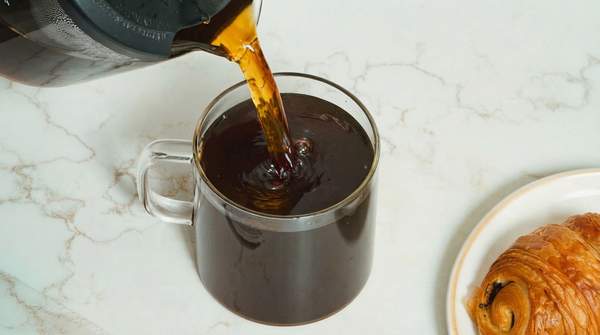
Here is the decision framework in plain terms. Choose allulose when browning, caramelization, and sugar-like texture matter: cakes, cookies, anything where a pale, under-browned result would disappoint you. Accept that it is slightly less sweet than sugar and carries a trace of calories. Choose monk fruit or stevia when you are sweetening beverages, yogurt, or other foods where browning is irrelevant and you want zero calories; the ZOE article notes these drops are also the cheaper option for coffee.
On aftertaste, the evidence offers a useful nuance. The Food For You comparison describes allulose as having no aftertaste, monk fruit as having a slight cooling note, and Reb M stevia as clean. Sheik's guide adds that monk fruit extract has a subtle fruity, caramelized taste and does not give much of an aftertaste, though foods made with it will still taste different from sugar-sweetened versions because sugar contributes texture and flavor beyond sweetness. Taste preference here is genuinely individual, so a small trial beats any blanket recommendation.
Finally, remember that the comparison above applies to pure forms. Commercial monk fruit and stevia products are frequently blended with erythritol or other bulking agents, which changes sweetness, baking behavior, and digestive tolerance. Check the ingredient list before assuming the pure-form properties carry over.
Choosing Your Sweetener: A Practical Decision Framework
The decision comes down to this: select allulose for baking applications requiring browning and texture, or monk fruit or stevia for general sweetening in beverages and foods where browning is not a factor, considering individual taste preference and metabolic goals. The conclusion that allulose is the baking choice rests on its documented browning and heat-stability properties, not on taste preference alone.
You can verify the choice with a simple, measurable test: improved texture and appearance of baked goods when using allulose, or satisfactory sweetness without aftertaste in beverages when using monk fruit or stevia. Bake one cake with allulose and one with monk fruit, or sweeten two cups of coffee side by side, and the browning and aftertaste differences will show up on the plate and in the cup.
Sources
- Allulose vs Monk Fruit vs Stevia vs Erythritol — Food For You
- Is Allulose Healthier Than Sugar? Facts, Benefits, and Risks — ZOE
- The Battle of Natural Sweeteners: A Comprehensive Guide to Monk Fruit and Stevia — Current Research in Nutrition and Food Science Journal