Though they sound nearly identical, prebiotics and probiotics perform distinct and complementary jobs to support your digestive health. Simply put, probiotics are beneficial live microorganisms that reside in your gut, while prebiotics are the specialized plant fibers they consume for fuel. Understanding this fundamental difference—one is the organism, the other is its food—is the first step toward making dietary choices that help your internal ecosystem flourish.
Understanding Prebiotics and Probiotics for Gut Health
Your digestive system is home to a complex community of microorganisms, and maintaining a healthy balance is crucial for overall well-being. This is where probiotics and prebiotics come into play, each with a specific role.
Probiotics are defined by health authorities like Cleveland Clinic as live bacteria and yeasts that offer beneficial effects to your body. These are the "good" microbes you might hear about. A research dietitian at MD Anderson Cancer Center suggests thinking of them as "teammates to the microorganisms working to keep your gut healthy." They are living organisms that, when consumed, can help support the existing microbial community. The most common probiotic strains include various types of Bifidobacterium and Lactobacilli.
Prebiotics, in contrast, are not alive. They are non-digestible compounds, typically fiber-rich carbohydrates, found in certain plant-based foods. According to the Mayo Clinic, these are parts of food that the human body doesn't digest. Instead, they travel intact through the upper digestive system to the gut. There, as the University of Rochester Medical Center explains, they serve as a targeted food source that helps beneficial bacteria grow and thrive. This process of feeding the good microbes is what gives prebiotics their health-promoting properties.
Prebiotics vs. Probiotics: A Quick Comparison
To eliminate the common confusion between these two gut-health allies, it helps to see their characteristics side-by-side. The following table breaks down their fundamental differences, from their basic nature to the foods where you can find them.
| Characteristic | Prebiotics | Probiotics |
|---|---|---|
| Definition | Non-digestible compounds, often fibers, that serve as food for beneficial gut bacteria. | Live, active microorganisms, such as bacteria and yeasts, that provide a health benefit to the body. |
| Function in the Gut | Act as fuel or "food" for existing beneficial microorganisms, helping them grow and thrive. | Introduce beneficial bacteria to the gut, supporting digestion and the overall gut environment. |
| State | Inert, non-living substances. | Live, active organisms whose benefits depend on their viability. |
| Common Types | Fructo-oligosaccharides (FOS), Galacto-oligosaccharides (GOS), Xylooligosaccharides (XOS), and Inulin. | Strains of Lactobacilli, Bifidobacterium, and the yeast S. boulardii. |
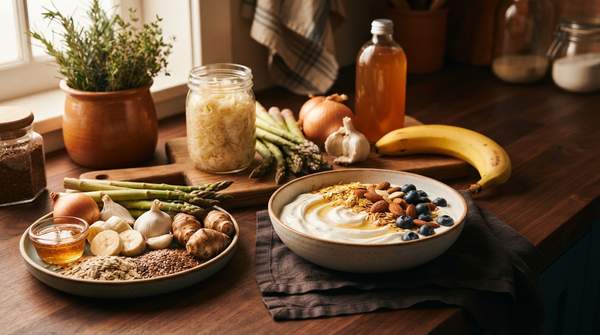
| Common Food Sources | Fiber-rich plant foods like garlic, onions, leeks, asparagus, bananas, and whole grains. | Fermented foods with live, active cultures, such as yogurt, sauerkraut, and kombucha. |
The Synergistic Power of Synbiotics
The relationship between prebiotics and probiotics is not just complementary; it's synergistic. When they are consumed together, they create what is known as a "synbiotic effect." This powerful combination aims to improve the survival and activity of beneficial microorganisms in the gut. In essence, the prebiotic fibers provide the necessary fuel to help the probiotic bacteria establish themselves and flourish in the competitive environment of your digestive tract.
A scientific review highlights that common prebiotic fibers—such as Fructo-oligosaccharides (FOS), Galacto-oligosaccharides (GOS), and inulin—are particularly effective at improving the viability of probiotics. This synergy helps foster a balanced gut microbiota by increasing the levels of beneficial bacteria. The concept is simple: pairing probiotic-rich foods with prebiotic fibers in the same meal allows the good bacteria and their fuel to work together directly, which can contribute to better digestion and a healthier you over time.
Creating a synbiotic meal is straightforward. For example, topping a bowl of yogurt (a probiotic) with sliced bananas (a prebiotic) or adding sautéed onions and garlic (prebiotics) to a dish served with sauerkraut (a probiotic) combines these elements effectively. This dietary strategy ensures that you are not only introducing beneficial microbes but also providing them with the nourishment they need to thrive.
Identifying Prebiotic and Probiotic Foods
For most people, a well-balanced diet rich in a variety of whole foods can provide all the prebiotics and probiotics needed to support a healthy gut, often without requiring supplements. Integrating these nutrients into your daily routine can be simple and delicious. Small, consistent choices can go a long way.
Prebiotic Food Sources
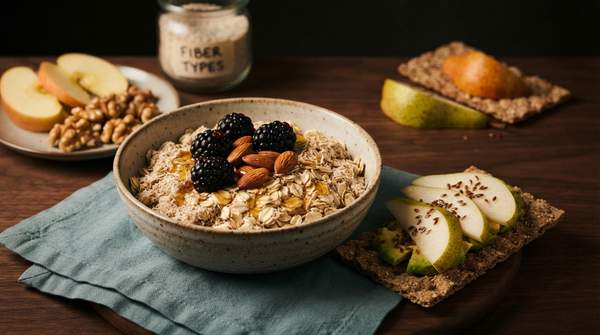
Prebiotics are naturally present in many high-fiber plant foods. To boost your intake, focus on incorporating a variety of fruits, vegetables, and whole grains into your meals. Some excellent sources include:
- Garlic
- Onions and leeks
- Asparagus
- Bananas
- Whole grains
Probiotic Food Sources
Probiotics are found in foods that have undergone fermentation, a process that encourages the growth of beneficial live microorganisms. When shopping, look for products that state they contain "live and active cultures." Common probiotic-rich foods include:
- Yogurt
- Sauerkraut
- Kombucha
- Other fermented foods
Making Informed Dietary Choices for Gut Health
By understanding the distinct yet cooperative roles of prebiotics as the "food" and probiotics as the "live bacteria," you can take active steps to support your gut microbiome. The most effective strategy is to consume a diverse diet that includes both fiber-rich plant foods and fermented products, allowing their synergistic relationship to benefit your digestive health. Readers can actively incorporate prebiotic and probiotic-rich foods into their diet to support a healthy gut microbiome.
A practical way to apply this knowledge is through increased awareness of food labels and ingredients, leading to diversified dietary intake of relevant foods and a conscious effort to pair them for synergistic benefits. Choosing whole grains, a variety of fruits and vegetables, and fermented foods when appropriate is a sustainable, food-first approach to nurturing the complex and vital ecosystem within you.
Sources
- What Are Probiotics & What Do They Do? — Cleveland Clinic
- Prebiotics versus probiotics: What’s the difference? — UT MD Anderson
- Probiotics and prebiotics: What you should know — Mayo Clinic
- Prebiotics vs. Probiotics: What’s the Difference and Do You Need Both? — University of Rochester Medicine
- Probiotics, prebiotics and synbiotics- a review - PMC