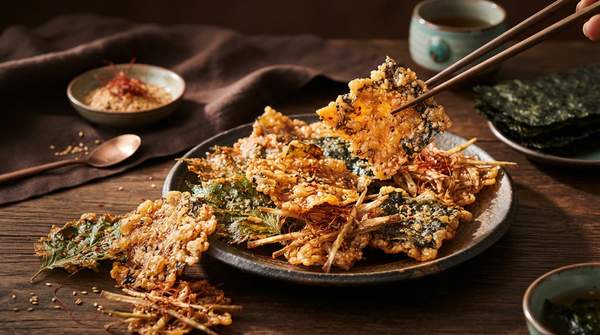
Bugak crisps are a traditional Korean snack, known as gim bugak when made with seaweed, that offer a unique combination of crunch and savory flavor. These crisps are prepared by coating ingredients like seaweed or vegetables in a thin, grain-based batter, typically made from glutinous rice paste, which is then dried and deep-fried until crisp. This meticulous process results in a light, shattering texture that distinguishes Bugak from other snacks.
For those seeking healthy and international snack options, Bugak crisps present an appealing choice. They are often described as a healthy, vegan, and gluten-free snack, making them suitable for various dietary preferences. The flavor profile of Bugak crisps is distinct, offering a subtle hint of the sea combined with a complex seasoning that can be both sweet and savory, according to a report by the Yonkers Times.
What Are Bugak Crisps? A Traditional Korean Snack
Bugak crisps, specifically gim bugak (김부각), are a cherished traditional Korean snack. The term "gim" refers to seaweed, while "bugak" describes ingredients that have been coated in a rice paste, dried, and then fried until they become crisp, explains My Korean Kitchen. This method transforms simple seaweed into a light, shatteringly crisp, and delicately savory treat.
Unlike plain roasted seaweed, Bugak undergoes a multi-step preparation that gives it a distinct texture and character. The core of Bugak's identity lies in its coating of glutinous rice, which, once dried and fried, puffs up to create an airy crunch. This traditional approach is preferred over modern shortcuts, such as using rice paper, because the classic paste method yields a cleaner, lighter crunch and a more reliable texture, as noted by My Korean Kitchen.
From Temple Cuisine to Banchan: Bugak's Rich History and Cultural Role
The origins of Bugak crisps are deeply rooted in Korean culinary history, particularly as a form of temple cuisine. According to Trader Joe's, Bugak was likely invented by vegetarian Buddhist monks as a practical method to preserve fresh seaweed and vegetables, extending their shelf life through the winter months. This historical context highlights Bugak's role not just as a snack, but as a resourceful and sustainable food preparation technique.
Culturally, Bugak holds significance as a banchan, or appetizer, traditionally served alongside meals. Centuries after its inception, this savory treat has evolved into a pillar of Korean cuisine, enjoyed both within Korea and internationally. Its appeal stems from its unique texture and flavor, making it a nostalgic snack for many Koreans and an intriguing discovery for newcomers, as described by My Korean Kitchen.
The Traditional Journey of Bugak Crisps
The creation of traditional Bugak crisps is an artful, multi-step process that transforms simple ingredients into a distinctive snack. This method ensures the crisps achieve their characteristic light, airy, and crunchy texture.
-
Ingredients: The primary components for traditional seaweed Bugak are seaweed (gim) and a glutinous rice paste. The rice paste is sometimes enhanced with ingredients like dried kelp stock for added flavor, as noted by My Korean Kitchen.
-
Coating Process: Sheets of seaweed are meticulously coated with a thin, even layer of the glutinous rice paste. This coating is fundamental to developing Bugak's unique texture.
-
Drying Process: After coating, the seaweed discs are thoroughly dried. This can be an extensive process, with some preparations involving drying for as long as fifteen hours to ensure a light and well-puffed consistency once cooked, according to Trader Joe's. Complete drying is a critical preparatory step that differentiates Bugak from plain roasted seaweed.
-
Frying Process: Once fully dried, the coated seaweed is deep-fried. This final cooking step is what gives Bugak its satisfyingly crisp and shatteringly light texture, as described by My Korean Kitchen and Trader Joe's.
-
Seasoning: After frying, Bugak crisps are typically seasoned to enhance their flavor. Common seasonings include sesame seeds, sugar, sea salt, onion powder, and kelp powder, which contribute to their complex umami profile, according to Trader Joe's.
Why Bugak Appeals: A Healthy, Unique, and Flavorful Snack
Bugak crisps are gaining popularity as a snack that satisfies the desire for crunch without compromising on ingredient quality. Shoppers are increasingly looking for snacks made with a wider range of ingredients and simpler lists, and Bugak fits this trend, according to the Yonkers Times. Its appeal lies in its unique sensory experience and its alignment with modern dietary preferences.
The crisps offer a lively crunch comparable to potato or rice chips, but with a distinctly different flavor profile. The Yonkers Times describes a subtle hint of the sea that creates an experience both familiar and new. Furthermore, Bugak is often presented as a vegan and gluten-free option, making it an accessible choice for gatherings with diverse dietary needs. Its delicate batter and complex seasoning, which can be both sweet and savory, contribute to a light yet sturdy snack that can be enjoyed on its own or as a base for other foods, as observed by Sporked.
Embracing Bugak: A Unique and Healthy Snack Choice
Consumers seeking new healthy and international snack options should consider Bugak crisps for their unique texture, flavor, and cultural significance. Increased availability of Bugak crisps in international snack aisles or specialty food stores, and positive consumer reviews highlighting its distinct qualities, will indicate its growing recognition.
Sources
- The New Standard for Crunch: Why Seaweed Bugak Crisps Are Showing Up on Healthy Snack Lists — Yonkers Times
- Korean Bugak Sticky Rice and Seaweed Crisps — Trader Joe's
- Korean Seaweed Chips (Gim Bugak) – Light, Crispy and Irresistible — My Korean Kitchen
- I Tried Trader Joe’s New Crispy Seaweed Bugak Snack, Here’s My Honest Review as a Seaweed Lover — Sporked