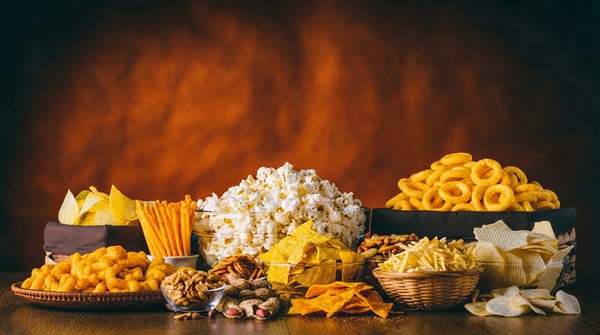
If you've noticed your grocery aisle getting more colorful and more adventurous lately, you're not imagining it. Five international flavors — gochujang, ube, yuzu, miso, and kimchi — are showing up in American snacks at a remarkable pace, and each one brings a completely different personality to the party. Here's your guide to what they are, where they come from, and what to grab if you want to try them.
The Rise of Global Flavors in US Snacks
Global flavors are no longer confined to specialty aisles or limited-edition releases, as industry publication SupplySide Food Business Journal put it: today's consumers are sipping yuzu beverages and experimenting with gochujang sauces across everything from protein shakes to frozen snacks. The data backs this up. According to flavor house Kerry's 2026 Taste Charts, Korean barbecue ranked among the top-five fastest-growing salty snack flavors, with ube landing in the top-20 on the sweet side. Snack makers have noticed that salty-snack fans, in particular, are very open to experimenting — and they're building whole product lines around that curiosity.
Global Flavors: Your Guide to Trending International Snacks
Use this table to compare the five flavors side by side and decide which suits your palate — sweet, savory, spicy, or citrusy. One honest note: specific named products exist for ube, while the other four flavors are appearing in the categories and formats noted below, so treat those as where-to-look guidance rather than a single product recommendation.
| Flavor | Origin / Cuisine | Taste Profile | Where You'll Find It in US Snacks |
|---|---|---|---|
| Ube | Philippines | Mild, slightly earthy, nutty, sweet | Tochi Snacks' ube popcorn; Trader Joe's ube products; ube cookies and ice cream |
| Gochujang | Korea | Sweet fermented chili heat; spicy, savory, umami | "Korean barbecue" — a top-5 fastest-growing US salty snack flavor |
| Yuzu | Japan | Bright, tart citrus; aromatic and floral | Beverages and food-and-drink launches flagged as a "future flavor" |
| Miso | Japan | Salty umami depth | Growing presence in food and beverage products |
| Kimchi | Korea | Spicy, tangy, fermented | Shelf-stable crackers, chips, nuts and snack mixes |
Ube: The Vibrant Purple Yam
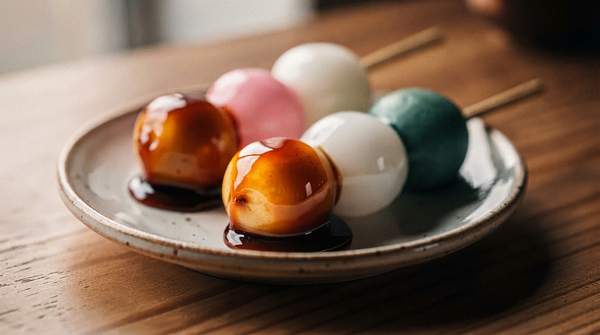
Ube (pronounced "oo-beh") is a purple yam from the Philippines, where it's a staple of the cuisine — think ube halaya, the traditional jam made by boiling and pureeing the tuber with coconut cream and sugar. Its rise in the United States began around 2016, when Californian cafes and Trader Joe's introduced ube products, and trade media have since dubbed it the "matcha successor." McCormick describes its flavor as mild, slightly earthy and nutty, which is exactly why it slips so easily into desserts.
That famous violet hue comes from anthocyanins, and it's a big part of the appeal — McCormick notes the color makes any dish instantly more photogenic. For a ready-made snack, look for Tochi Snacks' line of Asian-inspired popcorn, which comes in an ube flavor alongside Milk Tea, Matcha, Black Sesame, and Salted Egg. Beyond that, ube ice cream, cookies, and donuts are increasingly common in retail and foodservice.
Gochujang: Korean Sweet Heat
Gochujang is a Korean fermented chili paste and a foundational ingredient in Korean cooking. Its taste is genuinely complex: spicy, savory, umami, and sweet all at once — the "sweet heat" behind Korean barbecue flavors. That complexity is why it works so well in snack format, where a single dusting can deliver multiple dimensions.
Here's the honest catch: while I can't point you to one specific gochujang-flavored chip by name, the evidence shows its influence clearly. Kerry's 2026 Taste Charts place Korean barbecue — gochujang's signature flavor — among the top-five fastest-growing salty snack flavors in the US. So if you see "Korean BBQ" on a bag of chips or nuts, you're tasting gochujang's fingerprint.
Yuzu: The Aromatic Japanese Citrus
Yuzu is a Japanese citrus fruit prized for its distinctive fragrance — often described as a hybrid of lemon, mandarin, and grapefruit. The result is bright, tart, and floral without the sharp edge of a plain lemon, which makes it a favorite for adding complexity without overwhelming a product.
Its snack presence is still emerging. Kerry flagged yuzu as a "future flavor" to watch, and consumers are already sipping yuzu beverages, per industry reporting. Expect it to keep appearing in drinks and food launches over the coming seasons rather than on a dedicated chip flavor today.
Miso: Umami Depth from Japan
Miso is the salty, umami-packed Japanese paste that gives everything from soups to marinades its savory backbone. In snack terms, umami is gold: it adds a satisfying depth that plain salt can't replicate, which is why flavor developers keep reaching for it.
Like yuzu, miso is in the growth phase rather than the household-name phase. Flavor company T. Hasegawa expects miso to appear in more food and beverage products in the coming year, alongside lychee, matcha, and yuzu. Keep an eye on savory snack launches — that umami note is where it naturally lands.
Kimchi: Tangy and Spicy Fermentation
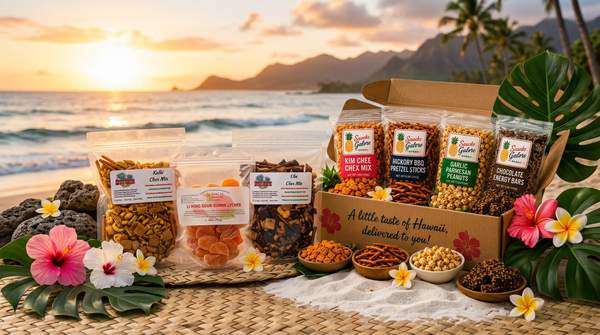
Kimchi is a staple of Korean cuisine made from fermented vegetables, pairing red chili flakes, onion, garlic, ginger, and vinegar. Courtney Schumacher, strategic marketing manager for snacks and bakery at Kerry, says its spicy and tangy profile "lends itself perfectly to the salty snack category and products like chips, nuts and snack mixes."
That's not just talk — kimchi has grown in popularity in recent years as a flavor in a wide variety of shelf-stable snacks such as crackers and chips. If you like your snacks with a fermented kick and a chili bite, this is your lane.
Ready to Explore Global Snack Aisles?
Readers should confidently seek out US snack products featuring ube, gochujang, yuzu, miso, and kimchi, using the taste profiles and product insights above as a guide. Start with ube if you want sweet and photogenic, Korean barbecue–style salty snacks for gochujang's sweet heat, or kimchi-seasoned chips and crackers if tangy spice is your thing. The measurable indicator of success: you've identified and purchased a US snack product featuring one of these five international flavors. Check Filipino markets or online retailers for ube products if your local aisle doesn't carry them yet — and enjoy the fact that your snack run just got a lot more interesting.
Sources
- Supplysidefbj
- Snack flavors assist in exploring global cuisine, easing stress — Foodbusinessnews
- What Is Ube? Meaning in English, Taste, Origin & Uses — VOVAN Global
- What is Ube? — McCormick
- Fooddive