
All Stories

How PetREGEN's Regenerative Nutrition Supports Pets with Skin and Paw Health
PetREGEN introduces a new category of regenerative nutrition for pets, offering a foundational approach to skin and paw health. Unlike traditional supplements, it uses plant-based nutrients to activate the pet's own adult stem cells, supporting natural repair and reducing inflammation from within.
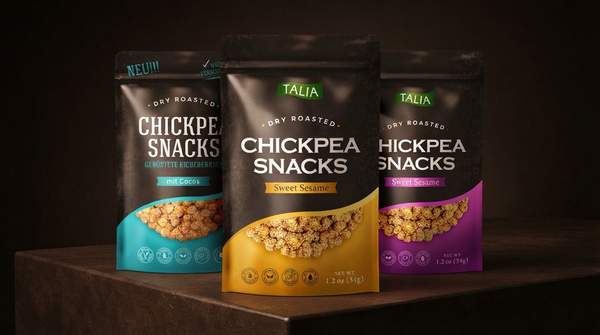
Five Seconds on the Shelf: How Snack Packaging Shapes Taste, Quality, and Purchase Before the First Bite
Snack packaging sells before the first bite, shaping perceptions of taste, quality, and health within five seconds. Design elements like color, typography, imagery, and materials act as silent salespeople, influencing subconscious purchase decisions.
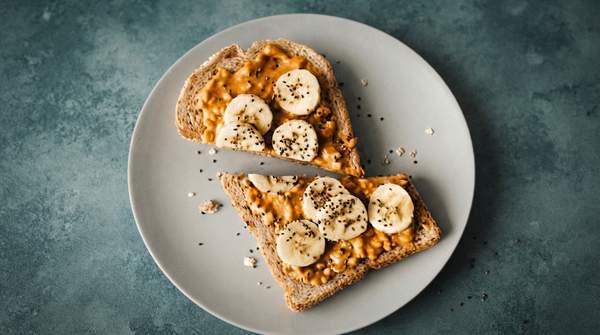
5 Late-Night Snacks That Keep Your Blood Sugar Steady Until Morning
Learn how to choose late-night snacks that promote stable blood sugar levels until morning by combining protein, fiber, and complex carbohydrates. This balanced approach helps prevent overnight glucose spikes and supports better morning readings.
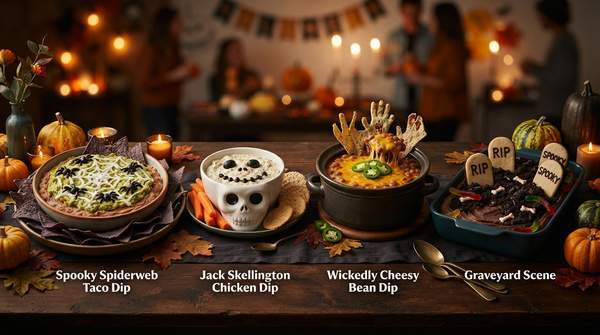
Four Halloween Dips Compared: Which Spooky Spread Fits Your Party?
Planning a Halloween party? Discover four distinct dips—Spiderweb Taco, Jack Skellington Chicken, Halloween Bean, and Graveyard—each offering a unique visual payoff and time commitment to suit your spooky celebration.
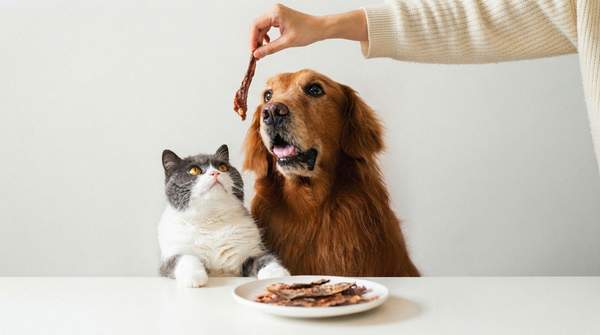
Why Dogs and Cats Fall for Different Foods: The Science of Pet Treat Palatability
Pet food palatability is engineered by manufacturers, leveraging distinct sensory drivers like aroma, taste, and texture to appeal to the specific biology of dogs and cats. Understanding these species-specific preferences, from a dog's tolerance for fat to a cat's sensitivity to bitterness and texture, helps owners make informed choices.

Here Are The Surprising Ways the Menu-Order AI App Simplifies Your Social Life in 2026
The Menu-Order AI app simplifies social dining by providing personalized, pre-order guidance and "Smart Tweaks" to navigate complex menus, addressing the anxiety of healthy eating in 2026. It acts as an intelligent dining companion, empowering confident choices rather than just logging post-meal data.
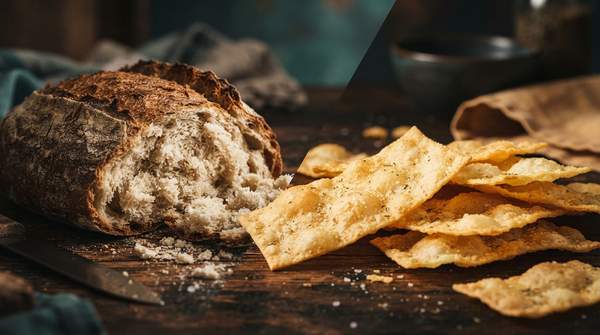
Why Bread Goes Stale but Crackers Stay Crisp: The Science of Starch Retrogradation
Starch retrogradation is the molecular process that makes bread stale and crackers crisp. This process involves starch molecules re-crystallizing after baking, with the final texture depending on the food's initial moisture content.
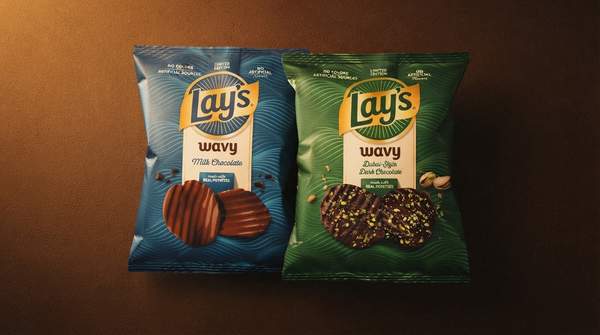
Lay's Holi-LAY's: All 5 Holiday Flavors, What They Taste Like, and When to Grab Them
Lay's is launching five limited-time "Holi-LAY'S" flavors inspired by classic holiday dishes, from savory sides to sweet desserts. These unique chip flavors will be released on a staggered schedule starting October 25, with some available nationwide and others at select retailers.
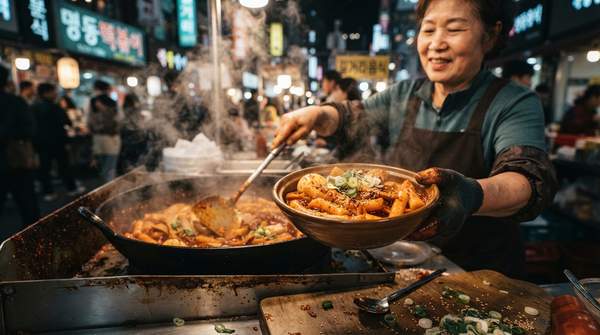
From Royal Court to Red Sauce: How Tteokbokki Became Seoul's Signature Street Snack
Tteokbokki, Seoul's iconic street snack, evolved from a non-spicy, soy-sauce-based royal court dish to a fiery gochujang-coated street food staple after Korea's liberation. Its journey reflects Korea's turbulent history and the dynamic evolution of its culinary culture.
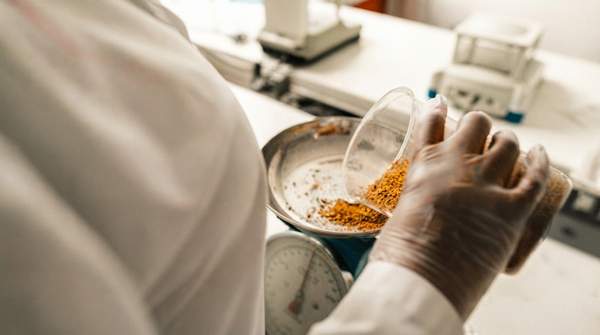
Pairing Glutamates with Nucleotides: The Science-Backed Way to Make Plant-Based Snacks Actually Taste Savory
Unlock the secret to deeply savory plant-based snacks by pairing glutamate-rich ingredients with nucleotide-rich ones. This synergistic combination, known as umami synergy, multiplies flavor impact, creating a more satisfying and 'meaty' taste from plants.

How WagLoom Makes Everyday Dog Care Easier for Pet Owners
For modern pet parents, providing the best care for a furry family member involves juggling countless tasks, from grooming and exercise to travel and home comfort. WagLoom is an e-commerce storefront designed to streamli…
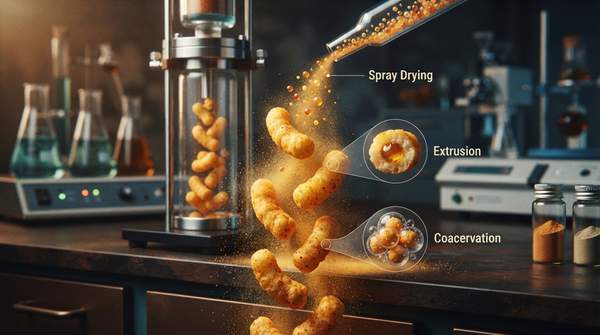
How Flavor Encapsulation Works in Snacks: Spray Drying, Extrusion, and Coacervation Explained
Flavor encapsulation protects delicate flavor compounds in snacks from processing and storage, ensuring they release at the right moment. This article explains how spray drying, melt extrusion, and complex coacervation achieve this, detailing their mechanisms and ideal applications.
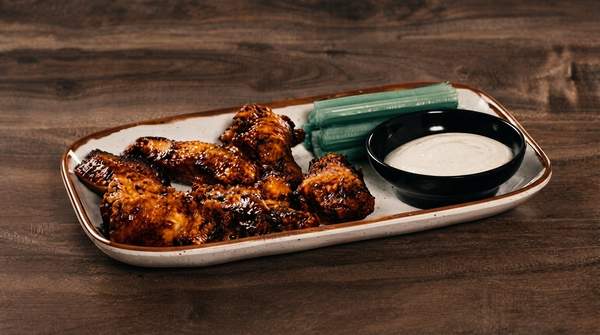
Two Inventors, One Wing: The Contested History of Buffalo Wings
The history of Buffalo wings is contested, with two primary origin stories: the Anchor Bar's late-night snack in 1964 and John Young's breaded, mambo-sauced wings from the same era. Both preparations contributed to the dish's evolution into a national game-day staple.
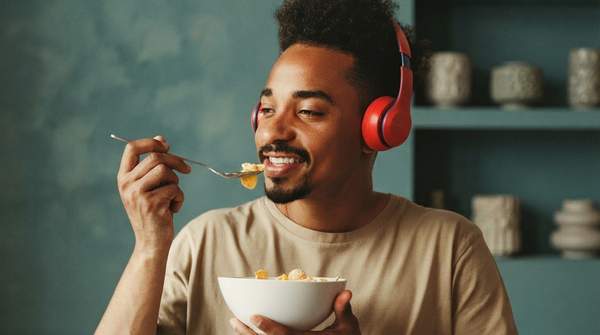
Sonic Seasoning: How the Right Music Can Make Your Food Taste Sweeter or More Bitter
Music can significantly alter how food tastes through a phenomenon known as sonic seasoning. Research reveals that high-pitched sounds enhance sweetness, low frequencies amplify bitterness, and music's mood and cultural context also shape flavor perception.
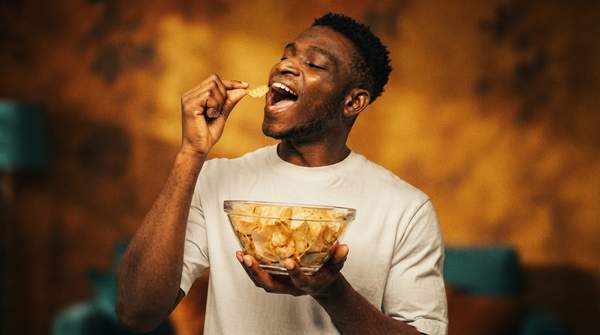
Why That Chip Bag Feels So Indulgent: The Hidden Psychology of Snack Packaging
Snack packaging is a sophisticated communication tool that uses design elements like color, shape, and finish to psychologically influence your perception of taste, healthiness, and indulgence. Understanding these cues helps you make more mindful choices rather than being influenced by marketing tactics.

4 Essential Reasons EU Buyers Trust Vitasunn Nutritionals for High-Purity Supplements
EU buyers trust Vitasunn Nutritionals for high-purity supplements due to their uncompromising quality control, including pharmaceutical-grade standards and GMP certification, and their strategic EU logistics that eliminate customs issues and ensure fast, reliable delivery within Europe.
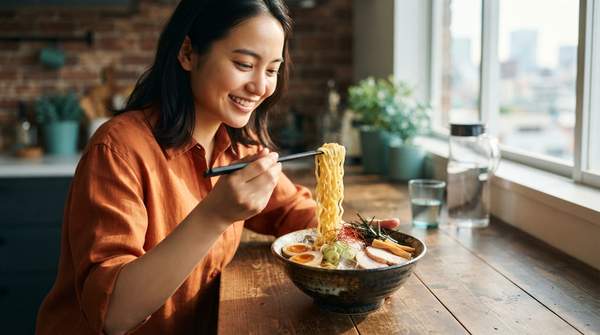
Why Japan Went Wild for Noodles You Make With Cold Water
Nissin's Hiyashi Cup Noodle has become a viral sensation in Japan by enabling instant noodles to be prepared with cold water, solving a problem of needing a kettle. This innovation opens up new eating occasions and practical applications where hot water is unavailable.
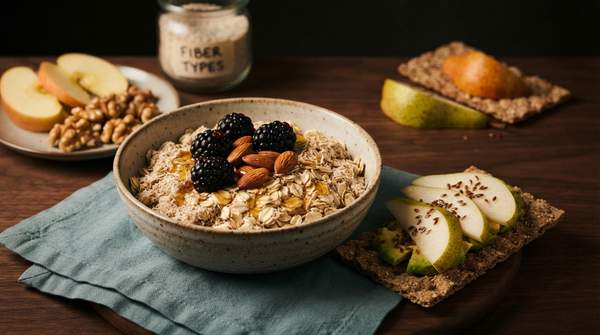
Beta-Glucans, Lignin, and Pectin: How to Pick Snacks by Their Specific Fiber Types
Understanding specific fiber types like beta-glucans, lignin, and pectin allows for targeted snack choices to achieve health goals, from lowering cholesterol to improving digestive regularity and satiety. While variety is key, knowing fiber's unique properties empowers informed decisions beyond generic 'high-fiber' labels.
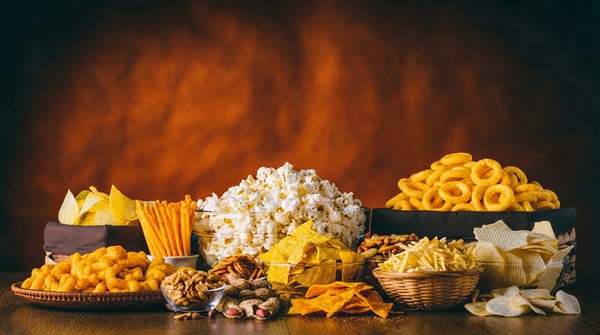
Five International Flavors Quietly Taking Over the US Snack Aisle
Five international flavors—ube, gochujang, yuzu, miso, and kimchi—are increasingly appearing in US snack products, offering consumers adventurous new tastes. This guide explores their origins, flavor profiles, and where to find them.

Why Water Activity, Not Moisture Content, Decides Whether Your Snack Spoils or Stays Crisp
Water activity (aw), not total moisture content, is the critical factor determining a snack's shelf life, microbial spoilage, and texture. Understanding aw helps predict and prevent issues like staleness, mold growth, and loss of crispness by managing moisture availability.

Here's Why PharmacyGo Is Becoming the Trusted Prescription Pet Medication Services in Florida
For pet owners in Florida, ensuring a pet receives the right medication on time can be a constant challenge. PharmacyGo , an Estero-based pharmacy, is addressing this need by offering specialized prescription services ta…
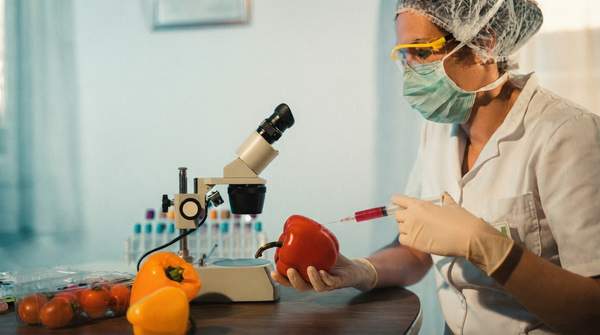
Why healthier snacks fail on the tongue—and the ingredient fixes that save them
Healthier snacks often fail due to sensory issues like off-flavors and poor texture, not nutritional content. Ingredient developers are using innovative solutions like fermentation and hydrocolloids to overcome these challenges and deliver appealing "healthy indulgence."
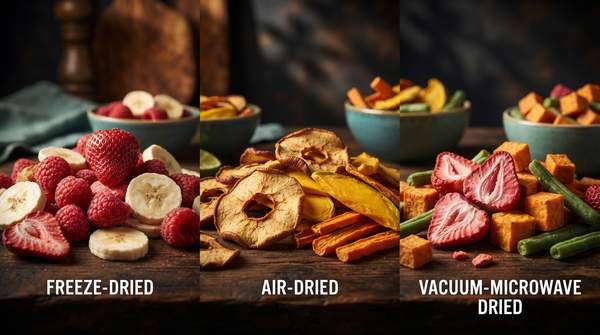
Freeze-Dried vs. Air-Dried vs. Vacuum-Microwave: How Drying Method Changes Your Fruit and Veggie Snacks
Explore how freeze-drying, air-drying, and vacuum-microwave drying methods impact the quality, texture, and nutrient content of fruit and veggie snacks. Understand the trade-offs between premium preservation and cost-effectiveness to make informed choices.
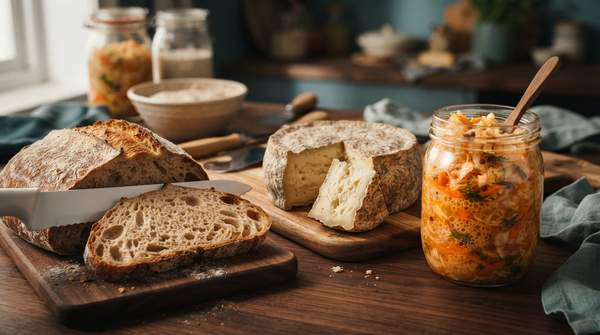
How Amylases, Proteases, and Lipases Build the Flavor and Texture of Fermented Foods
Amylases, proteases, and lipases are key enzymes that transform starches, proteins, and fats during fermentation, profoundly shaping the flavor, texture, and aroma of foods like bread and cheese. Understanding their biochemical actions is essential for appreciating and innovating fermented food production.