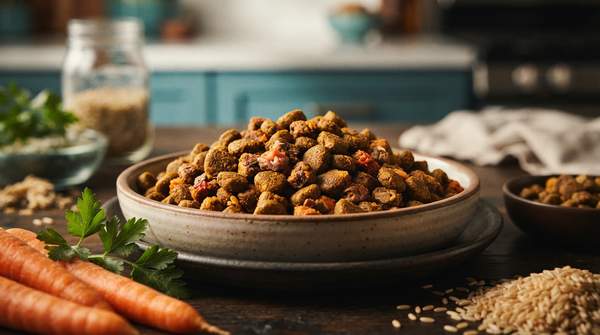
A recent survey found 35% of dog owners report their pet is a 'picky eater,' leading to concerns about nutrient deficiencies and daily mealtime struggles. Owners frequently worry about their dog's inconsistent eating habits and potential nutrient gaps, but often overlook the targeted, effective solutions available in the form of specialized food toppers. Based on the variety of high-quality, palatable, and nutritionally beneficial toppers available, it appears likely that most picky eating challenges can be significantly mitigated, leading to healthier, happier dogs. Adding variety to a dog's diet, for example, can stimulate appetite and improve gut health, according to Tomlinson's.
1. Freeze-dried Toppers
Best for: Dogs needing a significant nutrient boost and high palatability.
Freeze-dried raw toppers captured 82.5% of the market share in 2025, proving their widespread efficacy for picky eaters, according to Research and Markets. These toppers retain nearly all original nutrient content and often feature single-ingredient proteins, significantly boosting a dog's protein and fat intake. Their market dominance suggests they are a go-to solution for comprehensive nutritional enhancement, not just improved palatability.
Strengths: High nutrient retention | Excellent palatability | Often single-ingredient | Limitations: Higher cost | Requires careful storage | Price: Premium
2. Animal-based Proteins
Best for: Enhancing flavor and increasing protein content.
Animal-based protein toppers, such as shredded chicken or beef, accounted for 71.0% of the market share in 2025, also showing strong preference and efficacy, per Research and Markets. These options provide a concentrated source of protein and essential amino acids, making meals more appealing. Beyond flavor, these offer crucial amino acids, directly addressing potential dietary gaps in a dog's diet.

Strengths: High protein | Natural flavor | Easy to source | Limitations: Can be high in fat | Requires preparation | Price: Moderate
3. Bone Broth
Best for: Digestive support and joint health.
Bone broth toppers, rich in collagen and amino acids, support joint health and digestion with a savory aroma that stimulates appetite. A recommended dosage is 1 ounce for every 10 pounds of body weight, according to Tomlinson's. Its savory aroma does more than just tempt; it can be a critical tool for rehydrating and supporting a dog's internal systems.
Strengths: Aids digestion | Supports joints | Hydrating | Limitations: Can be messy | Lower calorie density | Price: Budget-friendly
4. Goat's Milk
Best for: Probiotic benefits and sensitive stomachs.
Goat's milk offers natural probiotics that aid digestion and can be easier to digest for some dogs than cow's milk. A recommended dosage is 1 ounce for every 10 pounds of body weight, per Tomlinson's. While beneficial, owners must consider individual lactose tolerance, making it a targeted, rather than universal, solution.
Strengths: Digestive aid | Hydrating | Nutrient-rich | Limitations: Lactose intolerance risk | Can be expensive | Price: Moderate
5. Kefir
Best for: Enhancing gut microbiome and immune function.
Kefir, a fermented dairy product, introduces beneficial bacteria that aid digestion, nutrient absorption, and immune function, especially for stressed dogs. A recommended dosage is 1 ounce for every 10 pounds of body weight, according to Tomlinson's. Its immune-boosting properties make it particularly valuable for dogs under stress or with compromised health.
Strengths: Probiotic-rich | Supports immunity | Improves digestion | Limitations: Can be acidic | May cause mild upset | Price: Moderate
6. Pumpkin
Best for: Fiber intake and digestive regularity.
Plain canned pumpkin is a versatile topper known for its high fiber content, which helps regulate digestion. Recommended dosages are 1 to 4 tablespoons for dogs and 1 teaspoon for cats, according to Tomlinson's. Its simple, high-fiber profile makes it a safe, foundational choice for managing common digestive irregularities.
Strengths: High fiber | Digestive aid | Low calorie | Limitations: Limited protein | Must be plain (not pie filling) | Price: Budget-friendly
7. Yogurt
Best for: Gentle probiotic support and palatability.
Plain, unsweetened yogurt provides live and active cultures that support gut health. A recommended dosage is 1 to 3 tablespoons, per Tomlinson's. It offers a gentle probiotic introduction, useful for dogs with mild digestive needs or as a palatable daily supplement.
Strengths: Probiotic benefits | Creamy texture | Readily available | Limitations: Lactose content | Avoid artificial sweeteners | Price: Budget-friendly
8. Cottage Cheese
Best for: Lean protein and calcium boost.
Cottage cheese offers a good source of lean protein and calcium, making it a nutritious addition to a dog's meal. A recommended dosage is 1 to 3 tablespoons, according to Tomlinson's. Its dual benefit of lean protein and calcium makes it a strategic choice for muscle and bone health, especially for growing or active dogs.
Strengths: High protein | Good calcium source | Palatable | Limitations: Sodium content | Lactose sensitivity | Price: Budget-friendly
Comparing the Best Topper Types: What to Look For
| Topper Type | Primary Benefit | Protein Concentration | Calorie Density | Hydration Benefit | Cost-Effectiveness |
|---|---|---|---|---|---|
| Freeze-dried Raw | Nutrient density, Palatability | Highest | High | Low | Premium |
| Animal-based Protein | Protein boost, Flavor | High | Moderate | Low | Moderate |
| Bone Broth | Joint health, Digestion | Low | Low | High | Budget-friendly |
| Goat's Milk | Probiotics, Hydration | Moderate | Low | High | Moderate |
| Kefir | Gut health, Immunity | Moderate | Low | High | Moderate |
| Pumpkin | Fiber, Digestion | Very Low | Very Low | Moderate | Budget-friendly |
| Yogurt | Probiotics, Palatability | Low | Low | Moderate | Budget-friendly |
| Cottage Cheese | Lean Protein, Calcium | Moderate | Moderate | Low | Budget-friendly |
Freeze-dried toppers typically offer the highest protein concentration per serving, making them ideal for active dogs. In contrast, wet food or gravy toppers generally have the lowest calorie density, which suits weight management or less active pets. Bone broth toppers are often the most cost-effective option for daily use, providing consistent palatability and joint support. Understanding these comparative nutritional profiles and cost-effectiveness empowers owners to make an informed decision tailored to their dog's specific dietary needs and budget.
How We Chose Our Top 8 Toppers
The selection prioritized toppers with limited, recognizable ingredients and no artificial additives, focusing on natural formulations. Evaluated each product based on nutritional completeness, palatability scores from independent taste tests, and ingredient sourcing transparency. Veterinarian recommendations and peer-reviewed studies on canine nutrition heavily influenced our top picks. Customer reviews citing significant improvements in appetite and coat health were also weighted, reflecting real-world efficacy. This comprehensive evaluation ensures our recommendations are effective for picky eaters and meet high standards for quality, safety, and nutritional value.
The Bottom Line: Transforming Mealtime and Health
By Q4 2026, owners who strategically incorporate specialized toppers are likely to observe measurable improvements in their dogs' health and mealtime enjoyment.
Frequently Asked Questions About Dog Food Toppers
How should I introduce a new dog food topper?
Most toppers should be introduced gradually over 3 to 5 days to avoid digestive upset. Start with a very small amount, typically a quarter of the recommended serving, and slowly increase it each day until your dog adjusts to the new addition to their meal.
How much dog food topper should I give my dog?
The appropriate amount of topper depends on your dog's size, activity level, and the topper's calorie density. Always check the specific product's serving guidelines, as these provide tailored recommendations based on the product's nutritional concentration.
Are human foods safe to use as dog food toppers?
While some human foods like plain cooked chicken or certain vegetables are safe in moderation, commercial toppers are specifically formulated for balanced nutrition. canine nutrition. They are generally preferred as they ensure your dog receives appropriate nutrients without the risk of imbalance or harmful ingredients often found in human foods, as advised by the ASPCA.