The term "clean label" on a snack package suggests simplicity, transparency, and healthfulness, but it isn't a legally defined or government-regulated standard. Instead, it's a consumer-driven marketing concept reflecting a growing demand for foods with simple, recognizable ingredients and no artificial additives. While reading the ingredient list is a good start, a truly "clean" product also depends on what isn't listed, such as hidden industrial and environmental contaminants that can only be detected through independent testing.
Understanding the 'Clean Label' Movement
The clean label trend is shaped more by shopper perceptions than by a single set of official criteria. According to food industry sources, consumers are increasingly scrutinizing labels and rewarding brands that align with their desire for transparency. At its core, the movement is about packaged foods made with more "wholesome" ingredients that are closer to their natural state. This often means reformulating products to be more like something one would make at home.
This consumer-led push has prompted food manufacturers and ingredient suppliers to invest in research to better understand what shoppers consider "clean." The concept often embraces a wide range of terms, including "all natural," "minimally processed," and "GM-free," which consumers may equate with being "better for you." Ultimately, success for a brand is less about achieving a perfect label and more about making changes that matter most to its customers.
What Consumers Expect to See
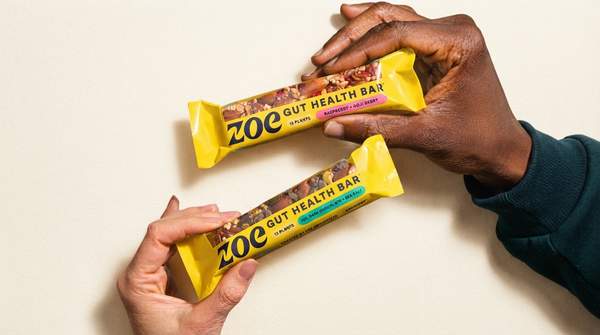
When shoppers look for a clean label on a snack, they generally have a few key expectations. A primary indicator is a short ingredient list composed of simple, recognizable terms. The idea is that if you can't pronounce an ingredient or don't know what it is, it may not be "clean." Brands have responded to this; for example, LÄRABAR promotes its products with the tagline "food made from food," using between two and nine ingredients in its bars.
Another major component is the absence of artificial additives. Consumers often look for "free-from" statements, such as "no artificial colors, flavors or preservatives." The use of natural colors and flavors is a hallmark of clean label products. To build trust, brands may also display third-party certifications on their packaging, such as organic, non-GMO, or gluten-free, which signal adherence to specific production standards.