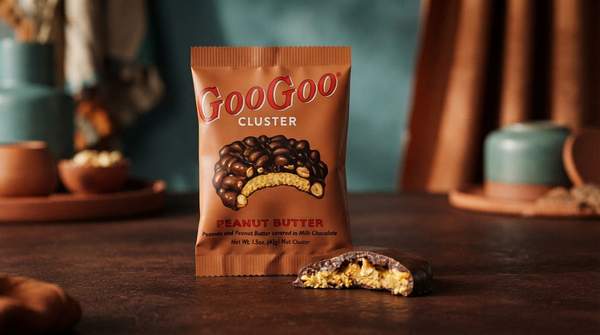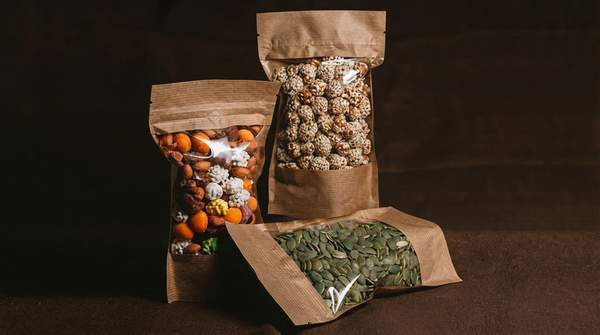
For food brands and environmentally conscious consumers, the shift toward sustainable snack packaging presents a complex decision, not a simple choice between good and bad options. The ideal material involves a careful trade-off between its relative cost, its ability to protect the product inside, and the practical realities of its end-of-life journey. While compostable films offer a powerful sustainability story, materials incorporating post-consumer recycled (PCR) content or designed for recyclability often provide a more accessible and reliable environmental benefit within the current infrastructure. A March 2025 McKinsey survey of 1,000 U.S. consumers highlights this dynamic, finding that recyclability is the top priority for 77% of shoppers, ranking it above both compostability and the use of recycled content.
Sustainable Snack Packaging: A Comparative Framework
Making an informed decision requires a direct comparison of the leading sustainable materials for flexible snack packaging. Each option comes with a distinct profile regarding its cost premium over virgin plastics, its performance in protecting food, and the specific actions required from consumers to realize its environmental benefits. The following framework, based on data from packaging supplier EcoPackables, outlines these critical trade-offs and provides a foundation for understanding the nuances of each choice.
| Material | Relative Cost Premium | Durability & Barrier Performance | Sustainability Pathway |
|---|---|---|---|
| Compostable Film (PLA/PBAT) | 20-40% premium over virgin plastic | Good for dry products; has limitations with oils, moisture, and heat. | Requires industrial composting facilities; certification is necessary to validate claims. |
| Post-Consumer Recycled (PCR) Content | 10-25% premium over virgin plastic | Performance is comparable to virgin plastic for most food applications. | Reduces use of virgin plastic and utilizes an accessible recycling pathway. |
| Recyclable Mono-Material Film | Comparable to conventional laminate | Performance is comparable to conventional multi-layer films for dry goods. | Recyclable via in-store drop-off programs, but not typically in curbside bins. |
Compostable films, often made from PLA/PBAT blends, carry the highest cost premium, ranging from 20-40% over virgin plastic. While effective for many dry snacks, their performance can be limited when used with products containing oils or requiring high barriers against moisture and heat. Their primary appeal is a certified end-of-life pathway, but this is entirely contingent on consumer access to composting facilities. In contrast, films containing Global Recycled Standard (GRS) certified post-consumer recycled content present a more moderate cost increase of 10-25%. They offer performance comparable to virgin plastic for most food applications and tap into a more widely accessible recycling system, directly addressing the consumer priority for recyclability.
Recyclable mono-material films are an even more cost-effective option, with pricing comparable to conventional laminates. Their sustainability advantage is that, unlike multi-material films, they can be recycled, though this pathway depends on consumers returning them to in-store drop-off points rather than using curbside bins.
The Realities of End-of-Life Pathways
A packaging material's sustainability claim is only as strong as the infrastructure available to process it after use. For compostable plastics, the ideal and only truly sustainable outcome is for them to be composted. An analysis by Atlantic Packaging notes that allowing these materials to break down in a landfill is an undesirable outcome from a greenhouse gas perspective. Yet, the environmental benefit of compostable packaging is entirely dependent on the consumer having access to an industrial or home composting facility, which EcoPackables reports most currently do not. This significant gap between a material's potential and the available infrastructure is a critical, real-world challenge that undermines its environmental promise.
Similarly, recyclable mono-material films, while an improvement over non-recyclable multi-layer laminates, face their own logistical hurdles. Their pathway relies on consumers returning them to designated in-store drop-off locations, a system that requires a higher level of effort and awareness than curbside recycling. The success of this approach hinges on clear on-pack instructions, such as the How2Recycle label, to guide consumer behavior effectively. Ultimately, the key to successful sustainable packaging is to match the material choice not only to the product's needs but also to the realities of local waste management infrastructure. This means a solution that works well in one region may not be viable in another, complicating decisions for brands with national distribution.
Consumer Priorities and Brand Considerations
While sustainability is a growing factor in purchasing, it does not operate in a vacuum. According to EcoPackables, fundamental considerations like product quality, price, and convenience still have a greater influence on actual consumer buying decisions than environmental impact. This reality forces brands to balance their sustainability goals with market practicalities. Packaging that uses post-consumer recycled (PCR) content often strikes this balance effectively. It provides a credible, certified claim that reduces the use of virgin plastic, an idea that resonates well with consumers who prioritize recycling. Furthermore, its performance is comparable to virgin plastic for many food applications, ensuring that product quality is not compromised.
The branding message itself is also a key consideration. Compostable films project a strong and appealing sustainability story, but that story is contingent on a complex and often unavailable disposal process. If consumers cannot easily compost the packaging, the brand's green claims can lead to frustration or improper disposal. In contrast, using recycled content offers a more straightforward and verifiable claim that aligns with the familiar concept of recycling. For brands, the choice is not just about the material itself but about communicating its end-of-life requirements clearly and honestly to avoid consumer confusion and ensure the intended environmental benefits are actually achieved.
Navigating Sustainable Packaging Choices
The most effective sustainable packaging strategy is one grounded in pragmatism. Brands and consumers should prioritize packaging solutions that align with available waste management infrastructure and consumer behavior, with recyclability currently offering a more practical and accessible sustainability pathway for many. The choice between a compostable film and one with recycled content is less about which is inherently "greener" in a theoretical sense and more about which has a higher likelihood of completing its intended circular journey in the real world. For a material like compostable film to realize its full potential, a significant evolution in public infrastructure and consumer habits is required.
The measurable indicator of progress in this area will be the increased availability of industrial composting facilities or improved consumer understanding of disposal requirements for compostable materials. Until that infrastructure becomes widespread and accessible, materials that leverage the existing, more familiar recycling system, such as those containing PCR, often represent a more immediate and verifiable step forward in reducing the environmental impact of snack food packaging.