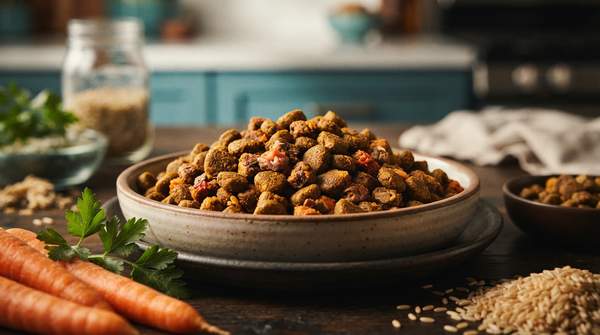
Foods like garlic, onions, chocolate, grapes, and raisins, common items in many human kitchens, can be life-threatening to dogs, according to BlvdVet. These everyday ingredients, harmless to humans, contain compounds toxic to canine physiology, leading to severe health complications or even fatality. Pet owners often show affection through treats, yet unknowingly risk their dog's health with these common ingredients and many commercial options. A critical public health education gap exists due to this lack of awareness, leaving well-meaning owners vulnerable to accidental poisoning. However, a growing understanding of canine nutrition and the ease of preparing healthy homemade treats will likely shift pet owner behavior towards more health-conscious choices, improving overall pet health and countering the risks of high-fat, high-sugar commercial alternatives.
The Science Behind Healthy Canine Nutrition
Modern pet food science now prioritizes integrated formulations over single-nutrient supplements for enhanced benefits, according to advances in functional pet food research. This aims for comprehensive dietary strategies. While owners may seek functional benefits from homemade treats, the scientific evidence for many specific combinations remains nascent. The functional pet food industry itself calls for harmonized methods and longer studies to validate product claims. Many "functional" commercial treats may lack robust scientific backing, making owner-prepared options a more transparent investment in preventative well-being, shifting focus from treating illness to fostering vitality.
Easy Recipes for Wholesome Dog Treats
Nutritious homemade treats are simple to create using common, safe ingredients. For example, Apple Pretzels Dog Treats require just 3 cups of almond flour, 1 egg, and 1 cup of plain, unsweetened applesauce, as detailed by the American Kennel Club. Similarly, Blackberry Biscuit Dog Treats use 4 cups of almond flour, ¾ cup of flax meal, ½ cup of blackberries, 1 egg, and ¼ cup of extra virgin olive oil. Readily available kitchen staples can form the base for canine-friendly snacks, offering specific nutritional benefits like omega-3 fatty acids from flax meal, while avoiding harmful additives. Owners can easily control their dog's ingredient intake, ensuring both safety and targeted nutrition.
Common Treat Traps to Avoid
High-fat, high-sodium, and sugary treats, prevalent in commercial pet food aisles and many human snacks, lead to significant canine health issues like obesity and heart disease. These ingredients contribute to chronic conditions that diminish a dog's quality of life and lifespan, according to BlvdVet. The industry's definition of "safe" often neglects long-term health, making homemade alternatives a more reliable choice for preventative care.
Versatile Ingredients for Creative Treats
Lean proteins, eggs, and yogurt serve as excellent bases for diverse homemade dog treats. A Mini Omelette for Dogs, for instance, uses 2 eggs, ½ cup cooked salmon or grilled chicken, and ½ green bell pepper, per the American Kennel Club. For a different option, Frozen Meat Treats combine 2 cups grilled chicken, ¾ cup plain low-fat yogurt, 1 carrot, and 3 tablespoons extra virgin olive oil. Owners can customize treats based on their dog's preferences and dietary needs, ensuring a balanced nutrient intake. Creative treat-making can address specific health goals, from protein boosts to hydration.
Fruit and Yogurt: Healthy Indulgences
Whole foods like lean meats, eggs, specific fruits (apples, berries), vegetables (carrots, bell peppers), and plain yogurt are ideal for homemade dog treats. These provide essential nutrients without artificial additives or excessive sugars. For example, Red, White, and Blue Yogurt Popsicles for Dogs use 1 cup whole blueberries, ½ cup chopped strawberries, and 1 cup plain yogurt, offering a refreshing and healthy option, according to the American Kennel Club. Even indulgent-sounding treats can be nutritionally beneficial and simple to prepare, expanding the range of healthy options for pets.
If current trends continue, a significant portion of pet owners will likely transition to homemade treats by 2026, fostering canine vitality through informed dietary choices.